Royalty+Plumbing-38

Why Call a Plumber for Your Clogged Sink?

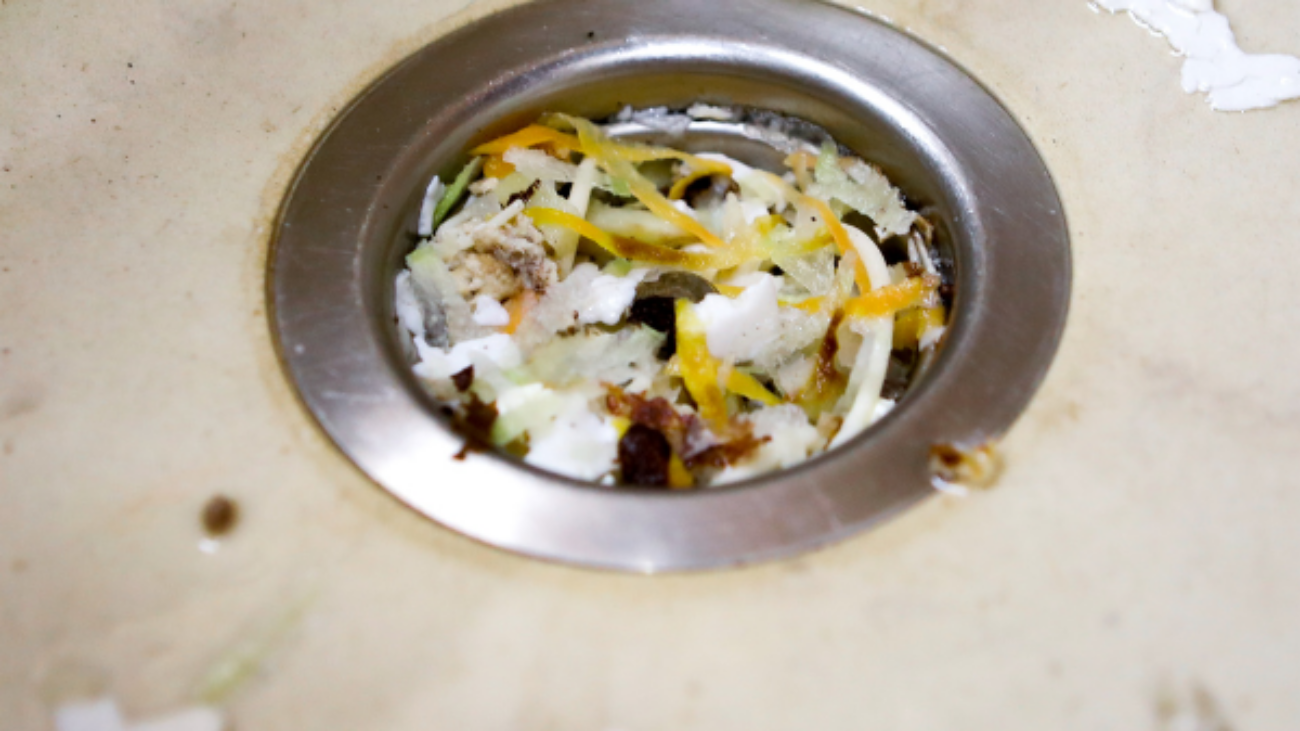
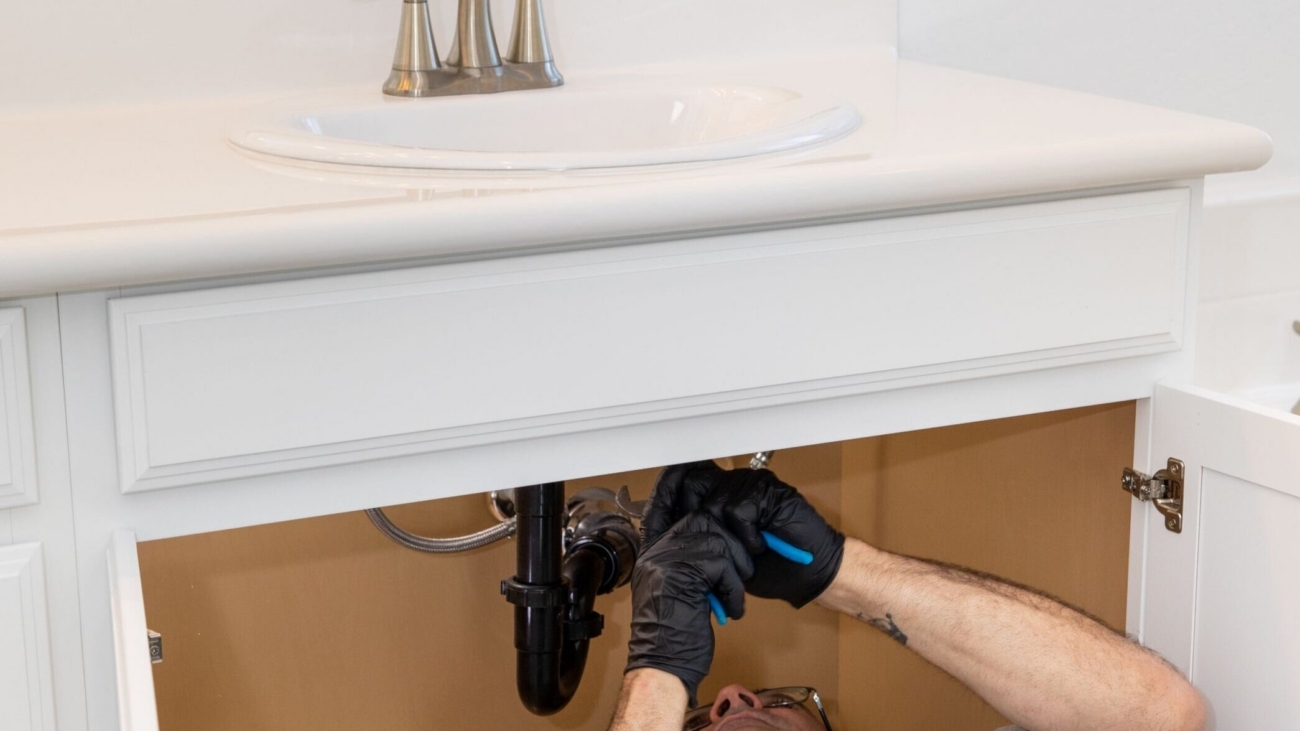
As a homeowner, dealing with a clogged sink can be frustrating and inconvenient. While it may be tempting to tackle the issue yourself, calling a professional plumber can save you time, money, and stress in the long run. Here’s why you should consider calling a plumbing expert, such as Royalty Plumbing, when faced with a stubborn sink clog.

Expertise and Experience

Professional plumbers have the expertise and experience needed to accurately diagnose and fix a clogged sink. They can identify the root cause of the problem, whether it’s a simple blockage, a more complex plumbing issue, or a sign of a larger problem in your home’s plumbing system. Plumbers have seen it all, and their experience allows them to quickly and efficiently resolve your issue.

Proper Tools and Equipment

Plumbers come equipped with specialized tools and equipment designed to handle various types of clogs. From pipe cameras that can inspect deep within your plumbing system to high-pressure water jetting machines that can clear even the toughest blockages, professional plumbers have access to resources that the average homeowner does not. Using the right tools ensures that the job is done correctly and thoroughly.

Preventing Further Damage

Attempting to fix a clogged sink on your own can sometimes lead to further damage. DIY methods, such as using chemical drain cleaners or improper use of a plunger, can harm your pipes or worsen the clog. Professional plumbers know how to safely and effectively clear blockages without causing additional harm to your plumbing system.

Long-Term Solutions

A professional plumber doesn’t just fix the immediate problem; they also provide long-term solutions. They can offer advice on how to prevent future clogs, suggest maintenance practices, and even identify potential issues before they become major problems. This proactive approach helps ensure your plumbing system remains in good condition for years to come.

Time and Convenience

Trying to unclog a sink yourself can be time-consuming and frustrating, especially if you’re not sure what you’re doing. A professional plumber can quickly and efficiently resolve the issue, saving you time and hassle. You can get back to your daily routine without the stress and mess of dealing with a clogged sink.

Health and Safety

Clogged sinks can sometimes lead to unsanitary conditions, with stagnant water becoming a breeding ground for bacteria and mold. Professional plumbers can handle the problem safely and hygienically, ensuring that your home remains a healthy environment for you and your family.

Peace of Mind

When you hire a professional plumber, you gain peace of mind knowing that the job is being handled by an expert. You won’t have to worry about whether your DIY fix will hold up or if you’ve caused further damage. A plumber’s work is often guaranteed, giving you confidence that the problem has been resolved correctly.

While it may be tempting to try and fix a clogged sink yourself, calling a professional plumber is the best course of action. Their expertise, tools, and experience ensure that the job is done right the first time, preventing further damage and providing you with long-term solutions. Don’t let a clogged sink disrupt your life – contact Royalty Plumbing at (702) 908-0953 and enjoy the peace of mind that comes with knowing your home’s plumbing is in good hands.

water-filtration-systems-installation-info

Why Potassium Water Softener Pellets are Better for Your Home than Salt Pellets

When it comes to maintaining the longevity and efficiency of your home’s plumbing system, choosing the right water softener is crucial. Hard water can cause a host of problems, from scaling in pipes and appliances to less effective cleaning. Homeowners often find themselves choosing between salt-based and potassium-based water softener pellets. While both options soften water effectively, potassium pellets offer several advantages that make them the superior choice. Here’s why potassium water softener pellets are better for your home than salt pellets:

Health Benefits 

One of the primary concerns homeowners have about salt-based water softeners is the potential impact on health. Salt pellets add sodium to your water, which can be problematic for individuals on sodium-restricted diets or those concerned about high blood pressure. Potassium pellets, on the other hand, add potassium to your water—a mineral that is beneficial for your health. Potassium is an essential nutrient that supports heart, muscle, and nerve function, making it a healthier alternative for your household water.

Environmental Impact 

Potassium is a naturally occurring element that is far more environmentally friendly than sodium. When salt pellets are used, the sodium they add to the water eventually makes its way into the soil and water supply, which can harm plant life and aquatic ecosystems. Potassium, however, is a nutrient that plants need to grow, and it is less likely to cause harm when released into the environment. By choosing potassium water softener pellets, you are making an eco-friendly choice that supports a healthier environment.

Plumbing System Longevity

Hard water causes scaling and buildup within your plumbing system, leading to reduced efficiency and potential damage over time. While both salt and potassium pellets prevent this scaling, potassium has an added benefit. Potassium can help reduce the corrosiveness of water, leading to less wear and tear on your pipes and appliances. This means that by using potassium pellets, you’re not only softening your water but also extending the life of your plumbing system and household appliances.

Water Taste and Quality

Many homeowners notice a distinct taste difference between water softened with salt pellets and water softened with potassium pellets. Water treated with potassium tends to have a fresher, cleaner taste compared to the slightly salty taste that can come from using salt pellets. This improved taste can make drinking water more enjoyable and can enhance the flavor of foods and beverages prepared with your home’s water.

Skin and Hair Benefits

Salt-based water softeners can leave a residue on your skin and hair, which can be drying and irritating. Potassium pellets, however, result in softer water that is gentler on your skin and hair. This means you can enjoy smoother, less irritated skin and softer, more manageable hair. For families with sensitive skin or those who suffer from conditions like eczema, the switch to potassium pellets can make a significant difference in comfort and well-being.

Maintenance and Cost

While potassium pellets are generally more expensive than salt pellets, the long-term benefits often outweigh the initial cost difference. Potassium pellets reduce the need for additional maintenance on your plumbing system and appliances, potentially saving you money on repairs and replacements in the long run. Additionally, the health and environmental benefits provide added value that makes potassium a wise investment for conscientious homeowners.

When choosing a water softening solution for your home, it’s essential to consider more than just the immediate cost. Potassium water softener pellets offer a range of benefits that make them a superior choice over salt pellets. From health and environmental advantages to improved water quality and reduced wear on your plumbing system, potassium pellets provide a holistic approach to water softening. By making the switch to potassium, you can ensure a healthier home and a better future for your family and the environment. 

For more information on water softening solutions contact Royalty Plumbing today. Our experts are here to help you make the best choice for your home and your family’s needs. Contact us today at (702) 908-0953 to schedule a consultation.

Royalty+Plumbing-Anthony-2

Should You Buy a Tankless Water Heater for Your Las Vegas Home?

The average water heater lasts for 10-15 years. That said, many Las Vegas homeowners are wondering if a tankless heater is worth the cost. Moreover, how is it different from the traditional heater? This article offers the reasons that make tankless water heaters so popular and help you make a smart choice regarding the purchase.

Lower bills

Installing the tankless water heater is more expensive than installing traditional tank heaters. Because of that, people often disregard how budget-friendly this solution is in the long run. Although the upfront costs may be higher, the energy bills are lower in homes with a tankless water heater.

On average, households use up to 64 gallons of hot water a day. The cost for that is around $500 a year. Installing the tankless water heater can reduce the bill by at least $100. That isn’t bad, is it? Even those conscious of water usage can benefit from installing a tankless water heater. They’ll notice the improved energy efficiency and lower bills as a result.

The reason is that tankless water heaters only heat water on demand. You’ll still have hot water for the dishes and the shower but at a lower price.

Hot water right away

Tankless water heaters operate much faster than traditional heaters. Owing to a lack of reservoirs, they can heat around two or three gallons per minute. With conventional storage tank heaters, you’d have to wait much longer, but with a tankless water heater, taking a long, hot shower after a tiring day has never been easier.

Always have hot water

In households with three or four family members, running out of hot water is a common problem, unless there’s a tankless water heater. With this, you can always have hot water on demand, and everyone can enjoy long, warm showers. The key is not to use the showers in separate bathrooms at the same time.

Longevity

Traditional water heaters have a life expectancy of ten or fifteen years. On the other hand, with proper maintenance, tankless water heaters can last for up to twenty years. Most of their parts are replaceable, which is why these are also quite durable. Therefore, the longevity and durability balance the higher upfront costs of installation. In a nutshell, Las Vegas homeowners can benefit in the long run from getting a tankless water heater.

Less space required

Tankless water heaters are relatively small. Generally speaking, they occupy less space than traditional water heaters. Since they aren’t as bulky, they can also look modern in any home.

Final thoughts

Although tankless water heaters are more expensive than standard water heaters, they’re worth it. Las Vegas homes can benefit a lot from having one. From lower energy bills to having hot water within a couple of minutes, the benefits are numerous. They’re also ideal for homes strapped for space as they are compact.

Royalty Plumbing offers high-quality residential plumbing services in the areas of Las Vegas, Henderson, North Las Vegas, and Summerlin.

Royalty-plumbing-kitchen-fridge

Common Reasons a Refrigerator Isn’t Dispensing Water

A refrigerator water dispenser is among the most convenient kitchen additions, allowing the owner to pour water without opening the appliance. However, these devices are prone to various issues that can keep them from dispensing liquid.

This article outlines the main reasons a refrigerator won’t dispense water.

Clogged filter

Fridge dispensers have filters to help ensure pure water by eliminating contaminants. Over time, the devices can get clogged due to too many impurities, disrupting water flow.

If an owner suspects a clogged filter, they should contact a licensed plumber. A professional can replace the unit safely and efficiently to restore regular operation.

Faulty switch

A fridge contains many electrical parts responsible for the normal function of the water dispenser. One of them is the door switch. It allows people to extract water when the door is closed. But a faulty switch can keep the dispenser from working.

The most reliable solution is to contact a plumbing professional. After consulting the instruction manual, they can determine whether the switch needs repair or replacement.

Bad water supply

The water dispenser might not dispense ice or water due to an insufficient water supply. There are a few issues that may affect the water supply.

  • Broken or malfunctioning inlet valve: The inlet valve is the critical component of any water dispenser. If it’s faulty or damaged, it may not be able to stay shut or open fully, which restricts water flow. The only solution might be to replace the unit.
  • Poor water pressure: The dispenser uses the inlet valve to receive water when open and shut off the water supply when closed. However, the valve operation depends on the house’s water pressure. If the mainline has poor pressure, the unit won’t be able to dispense water efficiently. Expert plumbers can determine and fix the cause of the problem.
  • Frozen or kinked line: The fridge connects to the main water supply via a line. If it’s frozen or kinked, the dispenser may not be able to dispense water. It needs to be straightened or defrosted, depending on the issue.

Malfunctioning control board

Water dispensers feature control boards to manage virtually all system functions. Several parts of this unit can break down and hinder the functionality of the entire dispenser. DIY diagnostics and repairs are ill-advised, so reach out to a professional.

Work with a trusted plumber to fix water dispenser problems

Homeowners who try to repair a dispenser can do more harm than good if they don’t have the right tools and experience. Hence, it’s best to contact a professional plumbing service whenever the unit malfunctions. They can identify and address the cause in no time.


Royalty Plumbing offers high-quality residential plumbing services in the areas of Las Vegas, Henderson, North Las Vegas, and Summerlin.

Royalty-plumbing-clogged-sewer

How to Tell if a Sewer Line is Clogged

A home’s main sewer line removes the wastewater and transports it to a municipality’s water treatment plant through a series of pipes. Unfortunately, sometimes a home’s sewer line can become clogged. 

This potentially costly and messy condition requires immediate attention. The cause could be damaged pipes, multiple plumbing blockages, or other culprits. Here’s how to tell if a sewer line is clogged:

Backed-up water

A common sign of a clogged sewer line is water backing into sinks or toilets. Water should never come up from drains. Sometimes when water backs up into a sink, it will be accompanied by an unnatural gurgling sound. If water backs up into multiple sinks, this is an indication that the home’s sewer line could be clogged.

If a toilet is flushed and water immediately backs up in the tub or shower, this also indicates a sewer line clog.

Water drains slowly

It’s common for an individual drain to become clogged with hair, food particles, and other items. If water drains slowly from multiple sinks and showers, this is a red flag of a bigger issue. A clogged sewer line will affect all drains since it’s the primary plumbing that removes wastewater from the entire house.

Foul odors

A sign of a clogged sewer line is the presence of bad smells from drains. If the smell is accompanied by sewage being pushed back up out of the drains, this is a surefire sign of a clogged sewer line.

Standing water in the yard

A sign of a backed-up or damaged sewer line is the presence of wet patches of lawn that never go away. Sewer lines are buried several feet below the surface, and it can take some time for the wastewater to reach the surface. Sometimes homeowners will experience a foul odor from a section of the lawn, which indicates a sewer line issue.

Another outdoor symptom to look for is a patch of lawn that is unnaturally green or is thriving much better than the rest of the property. This could be caused by a sewer line leak feeding the grass with the home’s wastewater.

Washing machine drainage issues

When running a washing machine, if the water drains out between cycles and the home’s toilets overflow, this is another symptom of sewer line problems. Likewise, if the bathtub or shower frequently backs up when washing clothes, the culprit is most likely a clogged sewer line.

Contact a professional

Draining issues, foul odors, and wet patches of lawn are all common signs of a clogged sewer line. To determine if this is the culprit, consult with a licensed plumber. A plumbing professional can quickly assess the issue and remedy the problem. Backed-up sewage can pose numerous health-related issues and should be remedied as quickly as possible.


Royalty Plumbing offers high-quality residential plumbing services in the areas of Las Vegas, Henderson, North Las Vegas, and Summerlin

Royalty-plumbing-home-owner-guide

A Basic Home Owner Drain Maintenance Guide

Homeowners who have experienced clogged drains understand how messy, inconvenient, and sometimes expensive it can get to get rid of the clogs. A home’s drainage system is an intricate system of pipes connected to safely eliminate solid waste and wastewater and prevent sewer gas from making its way into the home’s living spaces. Unfortunately, as the drains remain out of sight, most people often ignore them, resulting in clogs and other severe plumbing issues.

The only way to keep the drains functioning optimally and ensure the good overall health of the home plumbing system is to invest in their regular care and maintenance. 

Here is a simple maintenance guide for homeowners to help them keep their drains clog-free and in the best possible shape:

Do not put certain items down the drains

An essential thing that every family member should understand is that they should never put certain items down the drain. For example, avoid pouring liquid fats, oil, and grease into the drain. When these substances cool, they solidify and cling to the inside of the pipes, eventually leading to severe clogs. 

Some other things that should not enter the drains are eggshells, coffee grounds, fruit peels, unused medications, hair, soap scum, baby wipes, feminine hygiene products, cotton balls, diapers, and toxic chemicals. Consider installing drain traps over the sink opening to collect hair, soap scum, and food crumbs and prevent them from flowing down the drain.

Follow the best DIY drain cleaning practices

Another tip for drain upkeep is to flush them with hot water every week, especially the kitchen drains. After pouring hot water, open the taps to let the cold water run. While the hot water cleans trapped particles and loosens the debris, cold water flushes out the loosened materials to clean the drains. Alternatively, pour a half-cup of baking soda into the drains, then pour an equal quantity of vinegar. Let it sit overnight before flushing out the drain with hot water. 

Avoid chemical drain cleaners

Although chemical drain cleaners may seem effective in breaking down the clogs, experts do not recommend using them as they do more harm than good. The problem with drain cleaners is they contain harmful chemicals, and their repeated use can damage the pipes and cause more clogs. In addition, over-the-counter drain cleaners can create toxic fumes and lead to chemical burns. They are also dangerous for children and also harmful to the environment. 

Keep clog removal tools handy

Every household should have essential tools like an auger, drain snake, and plunger to remove big and small clogs and keep the drains clean. These tools help unclog drains and prevent plumbing disasters. While plungers work well on minor clogs, a snake can clear stubborn clogs. 

Call a professional plumber for occasional drain cleaning

Invest in annual drain cleaning by professionals to ensure they perform seamlessly throughout the year. Regular inspections and cleaning by a trained and qualified plumber prevent major clogs and other severe drain issues down the line. Calling a professional to clean the drains yearly is far less expensive than dealing with significant clogs and plumbing emergencies. 

Practicing regular drain maintenance keeps the drain functioning like new. Reach out to a local plumber to learn more ways to clean and maintain the drains.


Royalty Plumbing offers high-quality residential plumbing services in the areas of Las Vegas, Henderson, North Las Vegas, and Summerlin.

Royalty-plumbing-water-heater

Tank vs. Tankless Water Heater: Which is Better?

A water heater is a necessary part of every home. When it’s time to purchase a new one, either due to the current one malfunctioning or to upgrade the home, there are two choices. Many homeowners want to know if a tank or tankless water heater is best.

Both types of water heaters have pros and cons, and it’s up to the individual to decide which is the more appropriate purchase. Size, cost, and functionality should all be considered. A plumbing professional can provide all the answers required to make an informed decision.

What is a storage-tank water heater?

A water heater with a reservoir for water is the type that most people are used to seeing in a home. It consists of a large reservoir filled with water and heated by the home’s fuel source. Depending on the capacity, they store anywhere from 20 to 80 gallons of water.

Pros and cons

The water at the tank’s top is heated, and whenever there’s hot water demand, it’s pumped to the desired location. Then, cold water is replaced in the tank’s bottom, and the heating process repeats itself. Therefore, there’s always an available hot water supply, although it needs to be constantly heated.

A storage tank water heater is much cheaper to purchase and install than the tankless style. However, the water needs to be constantly heated, which results in increased energy consumption. In addition, storage tanks are large and take up a lot of room compared to the tankless style. The typical lifespan is approximately 10 to 15 years. There’s also the possibility of the tank leaking water over time.

What is a tankless water heater?

This type of heater only heats the water on an as-needed basis. Like a storage tank heater, the water is heated using the home’s fuel source. However, a tankless water heater only heats the water when needed. This can significantly save on fuel consumption costs.

Pros and cons

Water is heated quickly and supplied to its desired source. This includes energy cost savings since water doesn’t need to be constantly heated by a fuel source. Because the units are small, they don’t take up a lot of space. With no storage tank, there’s never a fear of the reservoir leaking, leading to costly repairs.

Tankless water heaters are more expensive to purchase and install than conventional tank-style heaters. However, they have a much longer lifespan and should last around 20 years.

Consult a plumbing professional

A conventional tank-style water heater can save money upfront with its cheaper installation costs, but it could increase energy bills. Tankless styles are more energy efficient and don’t take up a lot of room. A plumbing professional can answer any questions regarding which option is better, tank or tankless.


Royalty Plumbing offers high-quality residential plumbing services in the areas of Las Vegas, Henderson, North Las Vegas, and Summerlin.

Royalty-plumbing-clogged-drain

Don’t Put These Things Down a Drain!

Homeowners taking care of their plumbing systems should also know what not to put down the drain. Even items that appear innocuous can cause significant problems for the plumbing system if allowed to go down a drain. 

This article discusses some of these problematic items.

Cooking grease and oil

Greasy buildup can adhere to pipes’ walls, causing clogs and eventual pipe damage. Pouring hot grease down the drain may seem like an excellent way to get rid of it, but it will only solidify once it cools off and cause even more problems. So instead, pour the grease into an empty can and throw it in the trash.

Food waste

No food waste should go down the drain. Even if pans, pots, and plates are rinsed well, food waste will eventually cause clogs. To avoid this problem, scrape food waste into the trash can before washing the dishes. If a garbage disposal unit has been installed, run cold water and avoid putting hard-to-grind items like celery or eggshells down the drain.

Coffee grounds

Most people think coffee grounds can go down the drain because they are small and easily washed away. However, over time coffee grounds can build up and create clogs. To avoid this problem, dispose of coffee grounds in the trash instead of washing them down the sink. 

Hair 

Hair can quickly become tangled around soap scum, food waste, and other debris flowing through the pipes. Invest in a hair catcher for the shower or bathroom sink to keep hair out of the drain. In addition, clean the drains regularly with a plunger or plumber’s snake to remove any hair trapped in the pipes.

Soap scum

Soap scum buildup can cause significant drainage issues. To prevent soap scum from clogging the drains, use a plumbing vent to help air circulate through the pipes and dissolve soap scum before it can harden on the walls. Regularly cleaning drains with a plunger or plumber’s snake will also help remove any soap scum in the pipes.

Medication

Many people are unaware that dumping medication down the drain can negatively affect the environment. 

When medication is flushed down the toilet or poured down the sink, it enters the water supply. From there, it can end up in lakes, rivers, and oceans. Fish and other aquatic creatures can be exposed to the medication and end up in the food chain.

In addition, medication dumped down the drain can end up in drinking water. As a result, it is essential to dispose of medication properly. The best way to do so is to take advantage of local drug take-back programs. These programs provide a safe and responsible way to dispose of unwanted or expired medication.

Don’t take chances!

It’s crucial to maintain high drainage standards and not take any chances. If there’s something that looks like it could be a problem, call a professional plumbing service right away. 

A little prevention now can prevent many headaches and later expensive repairs.


Royalty Plumbing offers high-quality residential plumbing services in the areas of Las Vegas, Henderson, North Las Vegas, and Summerlin.

Royalty+Plumbing-water-heater-2

Best Reasons to Replace a Water Heater

A water heater can give numerous signs showing that the device doesn’t operate effectively. While some issues can be repaired, others require a replacement. 

This article outlines the reasons to replace a heater in a commercial or residential building. 

Leaks

A leaking water heater needs urgent replacement. Most often, the cause is a pressure buildup inside the tank. The buildup happens when the temperature or water pressure gets too high or the heater’s relief valve has malfunctioned. 

Ignoring leaky water heaters can result in tank explosions and severe damage to the property. 

Leaky heater signs include corrosion, puddles, or moisture on and around the heater’s base. 

Rusty water 

Water that has changed its tint to reddish indicates that the water heater has issues. Likewise, metallic or rust-colored water indicates that the tank is rusting or that the sacrificial anode rod needs replacement. 

Knocking sounds 

When sediments accumulate inside a water tank, the knocking sounds may come from the element. The solid silt can travel around the tank and cause rumbling, banging, and gurgling sounds. 

Replacing a water heater is highly recommended if regular cleaning doesn’t help solve the problem. 

Cold water 

When the heater doesn’t warm water up, and the water remains cold even after switching to the hot tap, it indicates that one of the heating elements has failed. The cause of the issue determines whether the whole setup needs replacement or only the faulty element requires replacement.

Diminishing performance

When a water heater begins to perform poorly, it’s often the result of wear and tear or aging. Energy bills that skyrocket due to poor performance show that the element needs replacement. 

Murky water 

Cloudy water indicates a sediment buildup inside the water heater. It’s best to act immediately to prevent permanent damage and avoid replacing the whole unit. 

Other reasons to replace a water heater

Water heaters older than ten years aren’t adequately cared for and have significant wear and tear need replacement as soon as possible. 

When to consider repairs 

Water heaters don’t always require replacement. Sometimes, owners can get away with repairing one of the faulty elements. This can include the following:

  • Burner assembly
  • Thermostats
  • Heating element valves
  • Thermocouples
  • Motor igniters

If any of the abovementioned elements fails, it’s possible to replace the individual item only if there’s no damage to the rest of the heater. 

Also, if one of the replaceable components fails and the heater is less than ten years old, it may be fixable. 

Consider a professional inspection 

Home or business owners who believe their water heaters need replacement can also rely on professional water heater technicians for advice. An experienced individual can assess the damage done to the unit and determine whether the replacement should occur.

Royalty Plumbing offers high-quality residential plumbing services in the areas of Las Vegas, Henderson, North Las Vegas, and Summerlin.

Royalty-plumbing-kitchen-remodel

The Best Plumbing Upgrades for a Kitchen Remodel

A kitchen remodeling project can yield jaw-dropping results. Changes to the layout and aesthetic improvements can bring better space utilization and increase property value. This investment can also decrease water use and increase energy efficiency through plumbing upgrades. It is one facet of a kitchen remodel that can significantly influence its function.

Please keep reading for the best plumbing upgrade ideas for a kitchen remodel.

New pipework

At some point, old water lines will need new pipes. However, this should not be the main reason to remodel a kitchen. Instead, the kitchen may need replacement pipes installed when the following signs are present: leaks, noises, stained or discolored tubes, a funny taste to the water or water discoloration, etc.

The age of the plumbing is also a factor. If it dates to the early 1900s, there is a high chance that the pipes contain lead. Lead often leaks into drinking water and causes a severe health risk. From the 1970s to the 1990s, lead pipes were replaced with polybutylene. However, this type of pipe should be regularly checked out by a plumber, as while it is safer, it can also break easily.

Island sink

One of the most trendy additions considered in a kitchen remodel project is an island. However, a double sink or large single basin can enhance kitchen functionality. Adding a sink requires an extension of the kitchen plumbing, but the additional expense will likely pay off in the long term.

Garbage disposal

A garbage disposal unit offers the ultimate convenience when washing dishes. When minor pieces of food waste go down the sink, it’s processed faster, and there’s less trash to throw out. There are two styles of disposal units: the traditional wall-switch operated continuous feed model and the batch feed, designed to prevent objects from falling in.

Dishwasher

The best time to install a new dishwasher is during a kitchen remodel. Relocating an existing dishwasher to be more integrated with the rest of the kitchen may require plumbing repositioning. When looking for a dishwasher, there are a few factors to consider. First, countless options are available, so start with a price range to narrow down the possibilities. Next, list the essential features you require – the quietness of a high-end dishwasher, washing power, water conservation, or energy savings may be most important.

Discuss your kitchen remodeling project with a plumber

A kitchen remodeling project will transform your kitchen’s aesthetic and make the best use of space. It may also be required to help the kitchen fit in with modern standards. Plumbing services will inevitably be necessary, especially when modifying or replacing existing plumbing fixtures. To be sure these changes are well executed, consider discussing your ideas with a qualified plumber. They are experts in offering advice on plumbing fixtures, the best layout, and costs.


Royalty Plumbing offers high-quality residential plumbing services in the areas of Las Vegas, Henderson, North Las Vegas, and Summerlin.