Royalty-plumbing-gas-leaks

Home Safety 101: Exploring the Basics of Gas Leaks

Leaks are a common problem in households that use gas. Homeowners, who notice them, often start panicking. However, is that the right approach? Let’s explore gas leaks, their effects, and how to address them: 

How dangerous are gas leaks?

Contrary to popular belief, gas leaks aren’t a huge threat. The chances of sustaining severe injuries or dying from one are slim to none. Less than 20 people lose their lives due to gas leaks or explosions per year.

However, that doesn’t mean families relying on gas should drop their guard. Whenever they suspect a gas leak, they should make sure that the source isn’t severe. For instance, pilot lights that blew out or a burner left running isn’t usually a reason to worry.

What are the signs of gas leaks?

Being on the lookout for signs of gas leaks prevents the problem from escalating. Here are the most common indicators:

Sulfur or rotten egg odor

Although gas is odorless, providers add chemicals that produce sulfur or rotten egg odor. Evacuate the place and contact a certified plumber whenever you notice this smell.

Dying houseplants

Gas leaks that linger can deprive the house of oxygen. The effect is especially noticeable in homes with unhealthy, dead, and dying species. Repairing the gas line is crucial to preventing further harm.

Sickness and fatigue

Exposure to the gas can bring about various symptoms, such as weakness, suffocation, nausea, and headaches. All of which are consequences of gas poisoning. People who experience such symptoms should immediately call 911 and schedule a gas line repair.

Irritated skin

Skin irritation is another health effect of gas leak exposure. It manifests itself through blisters, discoloration, numbness, and other physical conditions.

Dead grass and bushes

The area beneath your house contains a vast number of gas pipes. Problems occur if the ground cracks, causing the lines to release the gas into the air. As a consequence, the grass and bushes around the house suffocate.

Discolored flames

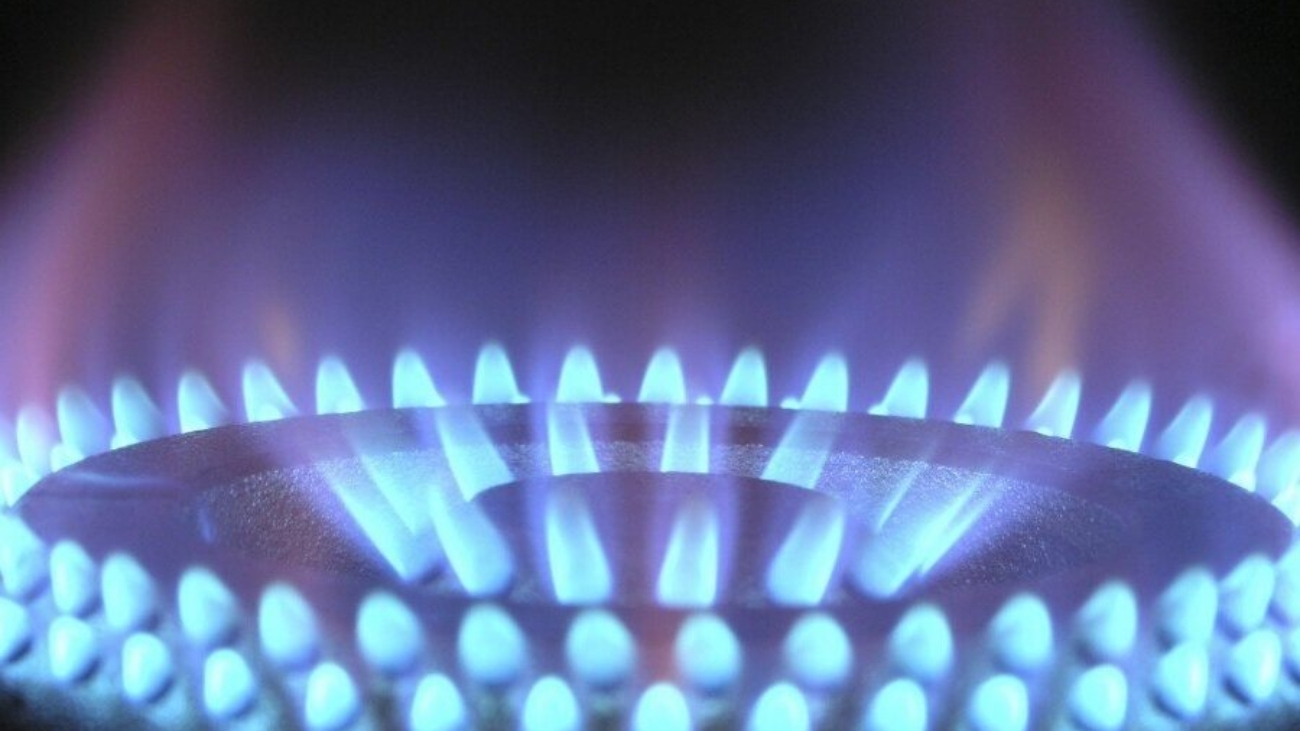
Pilot lights and appliances burning blue are normal. However, yellow flames point to a leak, and a plumber should investigate the gas line as soon as possible.

How to test for gas leaks

There’s a simple way to determine if there’s a gas leak inside the house.

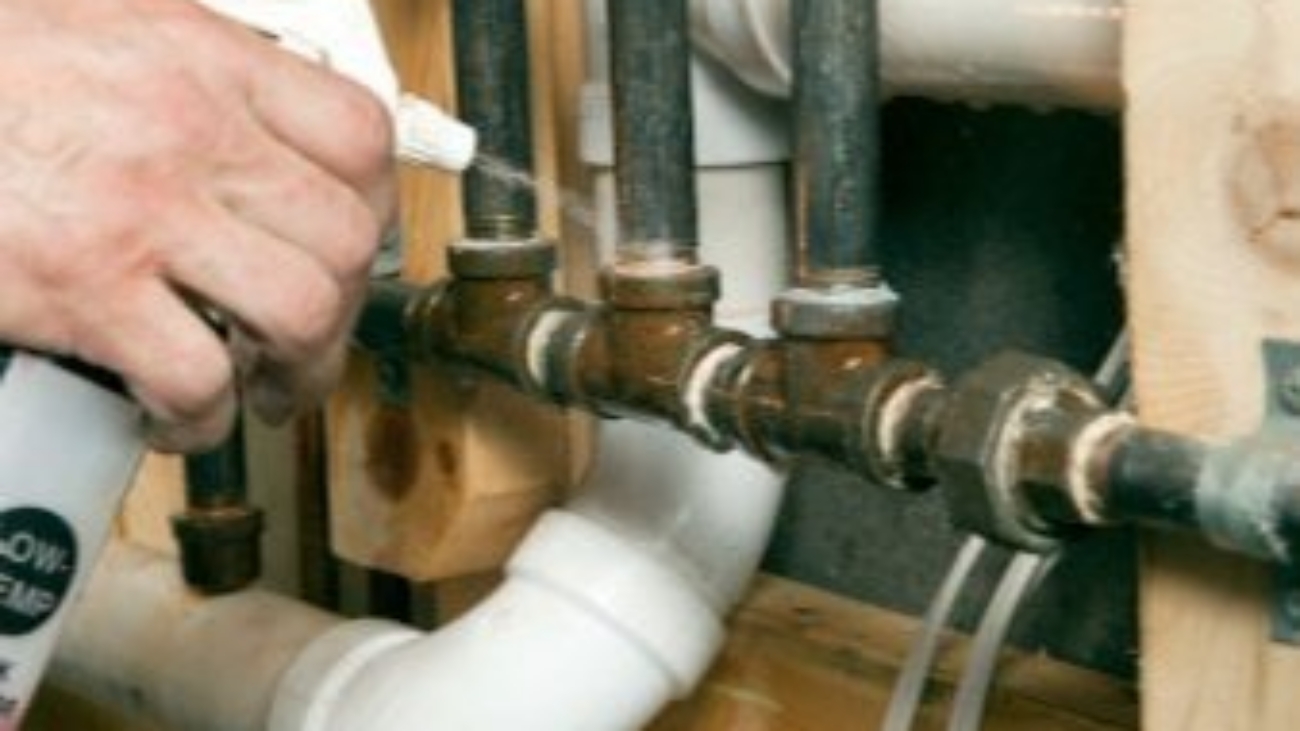
Combine water and dish liquid into a spray bottle and spray the solution where the gas is connected. If it starts bubbling, it means there’s a gas leak.

How should you address gas leaks?

DIY repairs are ill-advised because they can do more harm than good and cause serious injuries. Instead, reach out to a plumber certified for gas line repairs. They have all the equipment and knowledge to resolve the issue safely.

Royalty Plumbing offers high-quality residential plumbing services in the areas of Las Vegas, Henderson, North Las Vegas, and Summerlin.
Royalty-plumbing-gas

Signs of a Gas Leak in Your Home

A faulty gas line can cause sudden and devastating damage to a home. But that’s not the only thing that can go wrong. Natural gas leaks can also cause serious physical problems if left unchecked.

That’s why it’s crucial to be educated about the signs of gas leaks and remain vigilant if a home uses natural gas. In this article, we’ll go over some of the most common signs of a natural gas leak and how to protect your home and family.

A smell like rotten eggs

The natural gas used in residential applications has a highly specific smell. And it’s an odor that’s added to the otherwise utterly odorless gas. During the production process, gas companies add an agent called mercaptan that gives it a distinctive smell. The smell resembles rotten eggs or sulfur, and it’s one of the most noticeable signs of a gas leak.

Sounds of escaping gas

A substantial gas leak produces a sound as the gas escapes. A hissing noise like a balloon deflating is coming from a leak around gas installations. To confirm a leak, use soapy water and a rag or brush.

Make a mixture of dish soap and water and ensure that it’s thoroughly dissolved. Then, use a rag to apply it to and around a gas fixture suspected of leaks. If there are any leaks, they will create consistent bubbles in the suds to show the leak’s exact location. The soapy water test doesn’t entirely exclude the possibility of leaks, but it’s highly reliable if done correctly.

Physical damage to the gas lines

Any bruises or breaks in gas lines are a reason for concern. If there’s evident damage to a gas line or fixture, it could be a problem waiting to happen even if there isn’t a leak at the time. Always err on the side of caution and consult a professional.

Health effects of gas leaks

Physiological symptoms can be indicative of a gas leak. These include generalized fatigue, headaches, dizziness, nausea, and breathing problems. In hyper-sensitive people, gas leaks can also produce vomiting.

If anyone in the home experiences any of these signs, the best course of action is to contact a licensed professional to test for gas leaks in the home. Leaks may be challenging to find for the untrained.

Protecting a home from gas leaks

The best defense is always remaining vigilant, but other tools can help, as well, such as a gas monitoring system. A comprehensive monitoring system will measure the levels of gas and have provided safeguards to shut off valves and turn on ventilation fans.

An ounce of prevention

Natural gas leaks can be hazardous, but they don’t need to be a cause for alarm. A homeowner who knows the signs can respond long before there’s any chance of an accident.

Furthermore, assuage concerns by installing a gas monitoring system in the home. With a monitoring system, even if a problem arises, it won’t get to the point where it can cause damage.

Royalty Plumbing offers high-quality residential plumbing services in the areas of Las Vegas, Henderson, North Las Vegas, and Summerlin.