Royalty+Plumbing-38

Why Call a Plumber for Your Clogged Sink?

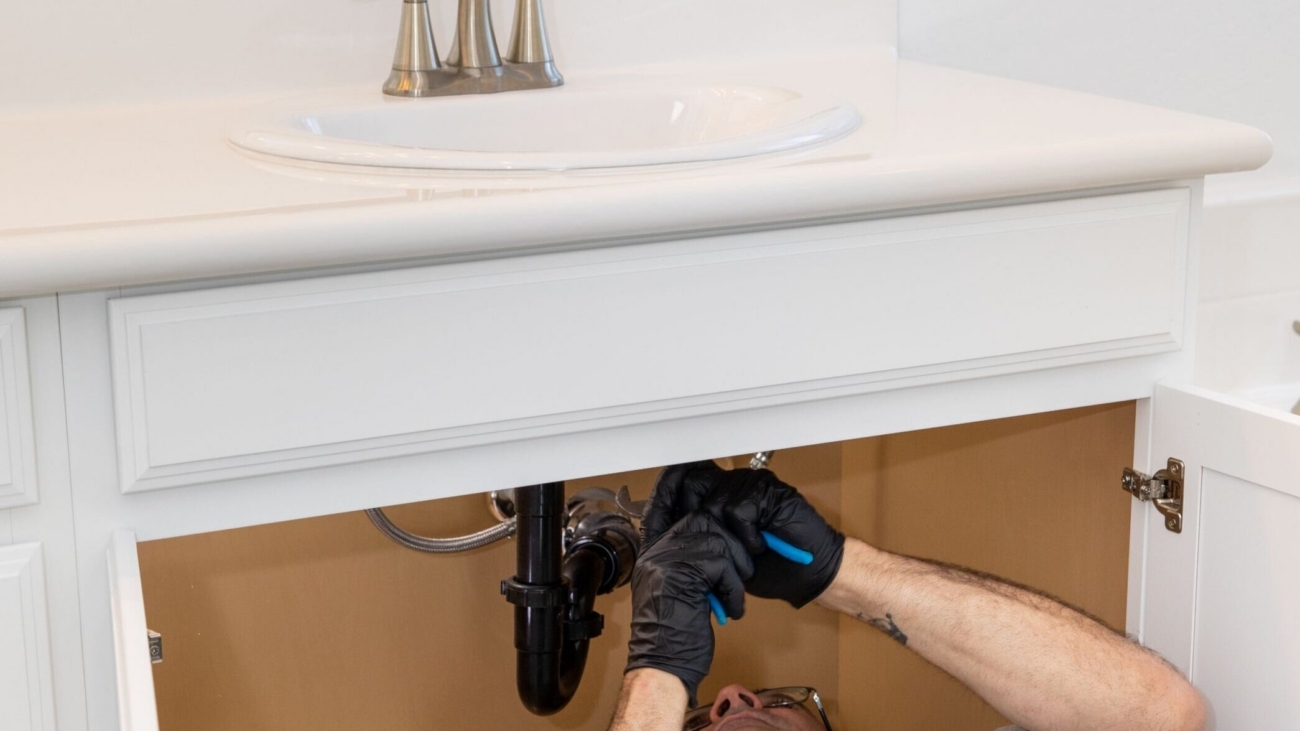
As a homeowner, dealing with a clogged sink can be frustrating and inconvenient. While it may be tempting to tackle the issue yourself, calling a professional plumber can save you time, money, and stress in the long run. Here’s why you should consider calling a plumbing expert, such as Royalty Plumbing, when faced with a stubborn sink clog.

Expertise and Experience

Professional plumbers have the expertise and experience needed to accurately diagnose and fix a clogged sink. They can identify the root cause of the problem, whether it’s a simple blockage, a more complex plumbing issue, or a sign of a larger problem in your home’s plumbing system. Plumbers have seen it all, and their experience allows them to quickly and efficiently resolve your issue.

Proper Tools and Equipment

Plumbers come equipped with specialized tools and equipment designed to handle various types of clogs. From pipe cameras that can inspect deep within your plumbing system to high-pressure water jetting machines that can clear even the toughest blockages, professional plumbers have access to resources that the average homeowner does not. Using the right tools ensures that the job is done correctly and thoroughly.

Preventing Further Damage

Attempting to fix a clogged sink on your own can sometimes lead to further damage. DIY methods, such as using chemical drain cleaners or improper use of a plunger, can harm your pipes or worsen the clog. Professional plumbers know how to safely and effectively clear blockages without causing additional harm to your plumbing system.

Long-Term Solutions

A professional plumber doesn’t just fix the immediate problem; they also provide long-term solutions. They can offer advice on how to prevent future clogs, suggest maintenance practices, and even identify potential issues before they become major problems. This proactive approach helps ensure your plumbing system remains in good condition for years to come.

Time and Convenience

Trying to unclog a sink yourself can be time-consuming and frustrating, especially if you’re not sure what you’re doing. A professional plumber can quickly and efficiently resolve the issue, saving you time and hassle. You can get back to your daily routine without the stress and mess of dealing with a clogged sink.

Health and Safety

Clogged sinks can sometimes lead to unsanitary conditions, with stagnant water becoming a breeding ground for bacteria and mold. Professional plumbers can handle the problem safely and hygienically, ensuring that your home remains a healthy environment for you and your family.

Peace of Mind

When you hire a professional plumber, you gain peace of mind knowing that the job is being handled by an expert. You won’t have to worry about whether your DIY fix will hold up or if you’ve caused further damage. A plumber’s work is often guaranteed, giving you confidence that the problem has been resolved correctly.

While it may be tempting to try and fix a clogged sink yourself, calling a professional plumber is the best course of action. Their expertise, tools, and experience ensure that the job is done right the first time, preventing further damage and providing you with long-term solutions. Don’t let a clogged sink disrupt your life – contact Royalty Plumbing at (702) 908-0953 and enjoy the peace of mind that comes with knowing your home’s plumbing is in good hands.
Royalty Plumbing Van

Managing Water Pressure in Las Vegas Valley: A Seasonal Challenge

As temperatures rise in the summer, so does the demand for water in the Las Vegas Valley. To meet the increased water usage during these hot months, the Las Vegas Valley Water District (LVVWD) employs a strategic approach to managing water pressure throughout the system. This effort ensures that residents and businesses have access to adequate water supply while maintaining the efficiency and integrity of the water distribution infrastructure.

The Seasonal Surge in Water Demand

The Las Vegas Valley experiences a significant surge in water usage during the summer, primarily due to increased outdoor activities, higher temperatures, and the need for landscape irrigation. Pools, lawns, and cooling systems contribute to the spike in water consumption. This seasonal demand can put substantial stress on the water supply system, necessitating proactive measures by the LVVWD to manage the increased pressure.

Understanding Water Pressure Management

Water pressure is the force that drives water through the distribution system to homes and businesses. It is measured in pounds per square inch (PSI). Adequate water pressure is essential for the efficient operation of household appliances, irrigation systems, and firefighting equipment. However, excessive pressure can damage pipes and infrastructure, leading to costly repairs and service disruptions.

How LVVWD Adjusts Water Pressure

To address the summer spike in water demand, the LVVWD undertakes several steps to adjust and manage water pressure:

  1. Monitoring and Analysis:

The LVVWD utilizes advanced monitoring systems to continuously assess water usage patterns and pressure levels throughout the valley. This real-time data allows for precise adjustments to be made to maintain optimal pressure.

  1. Pump Stations and Reservoirs:

The district operates a network of pump stations and reservoirs strategically located across the valley. During the summer, additional pumps are activated to boost water pressure in areas experiencing higher demand. These facilities are crucial in maintaining a steady supply of water, especially during peak usage hours.

  1. Pressure Zones:

The LVVWD has divided the valley into several pressure zones, each with its own set of parameters for optimal pressure levels. By adjusting the settings for these zones, the district can fine-tune the pressure to meet the specific needs of different areas, ensuring that no region experiences excessively high or low pressure.

  1. Infrastructure Maintenance and Upgrades:

Regular maintenance and periodic upgrades to the water distribution infrastructure are essential for efficient pressure management. The LVVWD invests in replacing aging pipes, upgrading pump stations, and enhancing reservoir capacities to ensure the system can handle increased summer demand.

  1. Public Communication and Water Conservation Programs:

The LVVWD actively engages with the community to promote water conservation, especially during the summer months. Public awareness campaigns, rebates for water-efficient appliances, and guidelines for efficient irrigation help to reduce overall water usage, thereby easing the pressure on the system.

Potential Challenges with Increased Pressure

While increasing water pressure is necessary to meet summer demands, it can also lead to certain challenges:

  • Risk of Leaks: The heightened pressure can cause stress on the water mains, leading to potential leaks in home plumbing systems. Older or weaker pipes are particularly vulnerable, and homeowners may notice increased instances of leaks during the summer months.
  • Infrastructure Strain: Excessive pressure can put a strain on the overall water distribution infrastructure, potentially leading to more frequent repairs and maintenance needs.

Benefits of Effective Pressure Management

The LVVWD’s efforts to manage water pressure during the summer months bring numerous benefits:

  • Reliable Water Supply: Ensuring that all residents and businesses have consistent access to water, even during peak demand periods.
  • Infrastructure Protection: Preventing damage to pipes and other components of the water distribution system by avoiding excessive pressure.
  • Water Conservation: Encouraging responsible water use to preserve this vital resource for future generations.
  • Cost Efficiency: Reducing the need for emergency repairs and minimizing water loss due to leaks or bursts.

The Las Vegas Valley Water District’s approach to managing water pressure during the summer months exemplifies a comprehensive and adaptive strategy. By leveraging technology, infrastructure investments, and community engagement, the LVVWD ensures that the water needs of the valley are met efficiently and sustainably.

Maintaining optimal water pressure in the Las Vegas Valley during the summer months is crucial for ensuring a reliable water supply, protecting infrastructure, and promoting water conservation. At Royalty Plumbing, we understand the unique challenges that come with managing water pressure in this environment. Our team of experts is dedicated to providing top-notch plumbing services that help safeguard your home and business from potential pressure-related issues. Whether you’re dealing with leaks, need upgrades, or require routine maintenance, Royalty Plumbing is your trusted partner in Las Vegas. Contact us today at (702) 908-0953 to schedule a consultation.

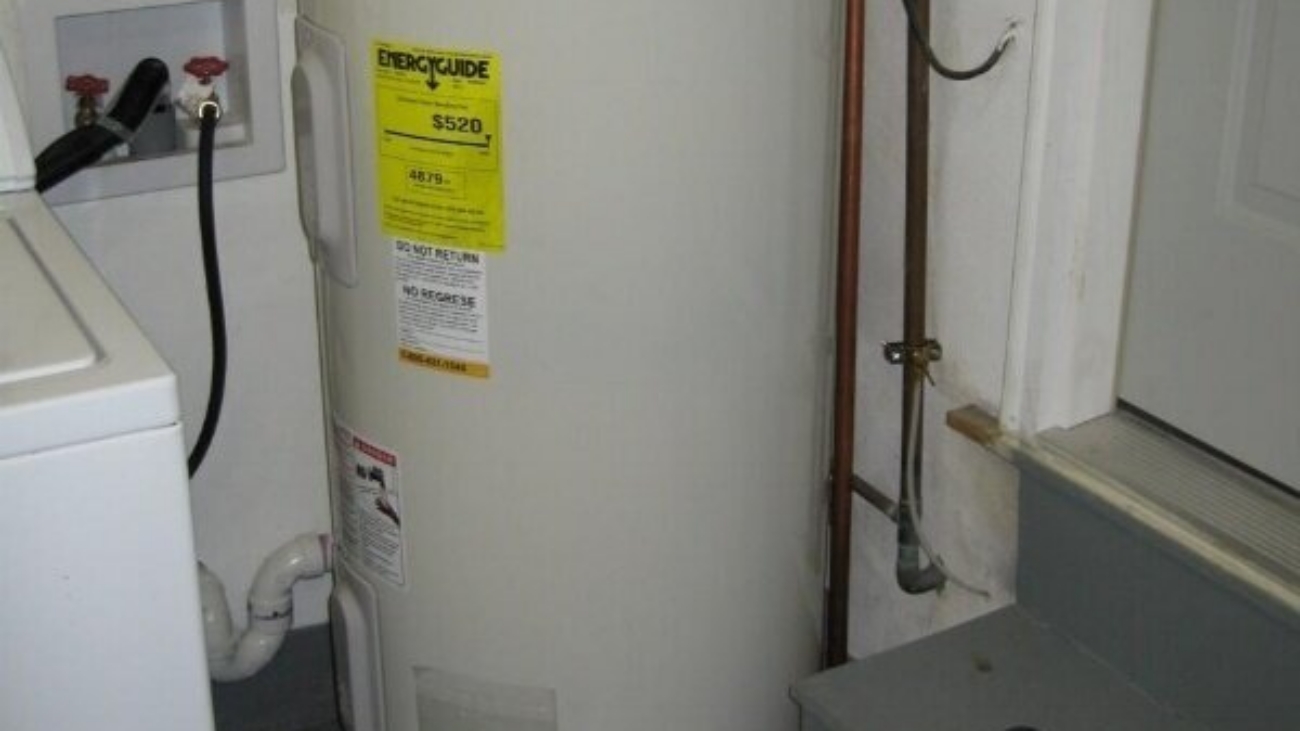
Royalty-plumbing-water-heater-care

Water Heater Care

Warmer weather comes with a litany of chores as the residents of the Las Vegas and Henderson area prepare their homes for the summer heat. We are often asked if people really need to drain their water heater. The answer is ambiguous

The answer is–maybe.

Our water travels through various filters and screens on its way to water users. The quantity and quality of these depend largely on the location. Also, sometimes there will be a break or that particular area may ‘flush out’ their lines, which means it comes to the consumer. 

The bottom line

A homeowner won’t know how often to drain their hot water tank until they do it to see how much sediment has built up in the meantime. In some tanks, it’s almost nothing. Other tanks can accumulate several inches of sediment–enough to block the spigot–in the same amount of time. After it is drained the first time, the quantity of material offers a pretty good idea of how fast the sediment collects. But, if it happens in an area of the Valley where there is a break or they flush the water line, the tank could have a significant amount of sediment suddenly appear.

Your water heater manufacturers will have a recommendation.  For example, some water heater manufacturers recommend only draining off about a gallon of water, but suggest doing so once a month.

Some people never drain their water heater tank. What happens?

They may have sediment at the bottom of their tank. It might be a little or a lot. The gunk at the bottom interferes with the heating ability of the tank and makes it work harder to heat the water. 

The process

Here is a general guideline of how it’s done. Consult the hot water heater manual for specifics:

Get a hose. One with a rubber gasket in it is best, to help avoid leakage at the hose connection.

Turn off the power to the water heater. This is not optional because not being shut off can burn up the water heater.

Turn off the water going into the water heater. Otherwise, it will continue to be replaced as it drains.

Let the tank cool. How long this takes depends on the size of the tank, amount of insulation, and the temperature of the water in the tank to start. Some people only need to wait a few hours. Others leave it overnight. 

Connect the hose to the drain valve, which is a spigot at the bottom of the hot water tank, and run the other end someplace where it’s reasonable to let the water drain. Since the water will have sediment, don’t drain it into a garden or a place where there is plant material that might be sensitive to calcium. 

Turn on a hot water faucet somewhere in the home. It will act as a relief valve and hasten the flow of the water from the drain spigot.

Turn on the drain valve. Let it run until the tank is empty. Most of these spigots are angled and poorly designed to remove the sediment–remember, they’re devised by the hot water tank manufacturers, who are much more interested in sales than good water heater maintenance!

Turn the water to the tank back on while the drain spigot is still open to remove any remaining sediment. Once the water runs clear from the end of the hose, the valve can be closed to allow the tank to heat up.

Shut the hot water faucet off (the one open in the house).

When the tank is full, turn the water heater back on. 

This simple process can add years of life to a water heater.

While draining the water heater, if there is a leak or some other type of problem, or if you’d rather have a professional drain the tank, let us know.  We’ll be happy to schedule a visit.

Royalty Plumbing offers high-quality residential plumbing services in the areas of Las Vegas, Henderson, North Las Vegas, and Summerlin.