Royalty+Plumbing-Anthony

Residential Filtration Systems

To drink, shower, or cook, a clean supply of water is necessary. It ensures the home’s inhabitants’ good health and extends the life of the plumbing system and appliances. Although tap water is considered safe, it still harbors chemicals, bacteria, and other contaminants that are regarded as harmful. If one lacks confidence in the home’s water quality, install an up-to-date water filtration system to ensure a clean and pure water supply. They typically use a physical barrier, chemical process, or biological process to eliminate the water’s impurities and contaminants, which will produce safe and clean water for the home.

There are different kinds of water filtration systems, and picking the best one might be confusing. Consequently, it is crucial to study the options available to make a knowledgeable decision. Here we’ve compiled the most common water filtration systems available:

Activated carbon filtration

Activated carbon filtration is the least expensive option and one of the most frequently used household filters. It utilizes activated carbon granules to capture and remove contaminants such as chlorine, volatile organic compounds, silt, lead, and sediments. Water produced by this filtration has less odor and tastes much better. Routinely replace the filter cartridges for effective, lasting performance.

Reverse osmosis filtration

A reverse osmosis filtration system utilizes a semipermeable membrane that captures and filters most inorganic compounds and toxic materials to offer clean and odor-free water. It makes use of 5-6 stages of filtration, which are highly effective, causing it to be the most popular unit for health-conscious consumers. It provides the most potent filtration and profoundly reduces iron, mercury, lead, bacteria, and other contaminants. Reverse osmosis additionally has low total dissolved salts compared to most filtered water.

Infrared and ultraviolet filters

UV radiation technology powerfully kills bacteria, mold, viruses, and other contaminants that threaten health. It makes use of high-frequency lights to clean water and get rid of microbiological compounds that cause illness. It does this without using any harsh chemicals and is friendly to the environment.

Conversely, infrared filters utilize heat and light to soften the water. It is optimal for areas that have a hard water supply.

Distillation

Distillation is an effective water purification process that has been used for centuries. The water is boiled into steam by electrical energy. The steam is then captured and condensed into a separate container to acquire distilled water. Through this process, heavy metals, bacteria, pathogens, and other organic and inorganic chemicals are abandoned. Distillation doesn’t need cartridges like other filters, although it is best for smaller families since the system isn’t exceptionally fast.

Ion exchange

Ion exchange filters help soften water. They utilize zeolite beads with sodium ions as filters to capture contaminants such as magnesium and calcium and replace them with sodium ions. The ion exchange filtration system eliminates limescale to make the water softer and more easily digested. It isn’t very pricey, and it gets rid of positive and negatively charged contaminants such as nitrates, manganese, uranium, sulfates, iron, and chromium.

There are multiple benefits to using a water filtration system, and the type you choose depends on your location and the kinds of contaminants you need to remove. Contact a professional plumber to examine the water quality in your home. They will suggest to you the most optimal filtration system to suit your needs.

Royalty Plumbing offers high-quality residential plumbing services in the areas of Las Vegas, Henderson, North Las Vegas, and Summerlin.
Royalty-plumbing-gas

Signs of a Gas Leak in Your Home

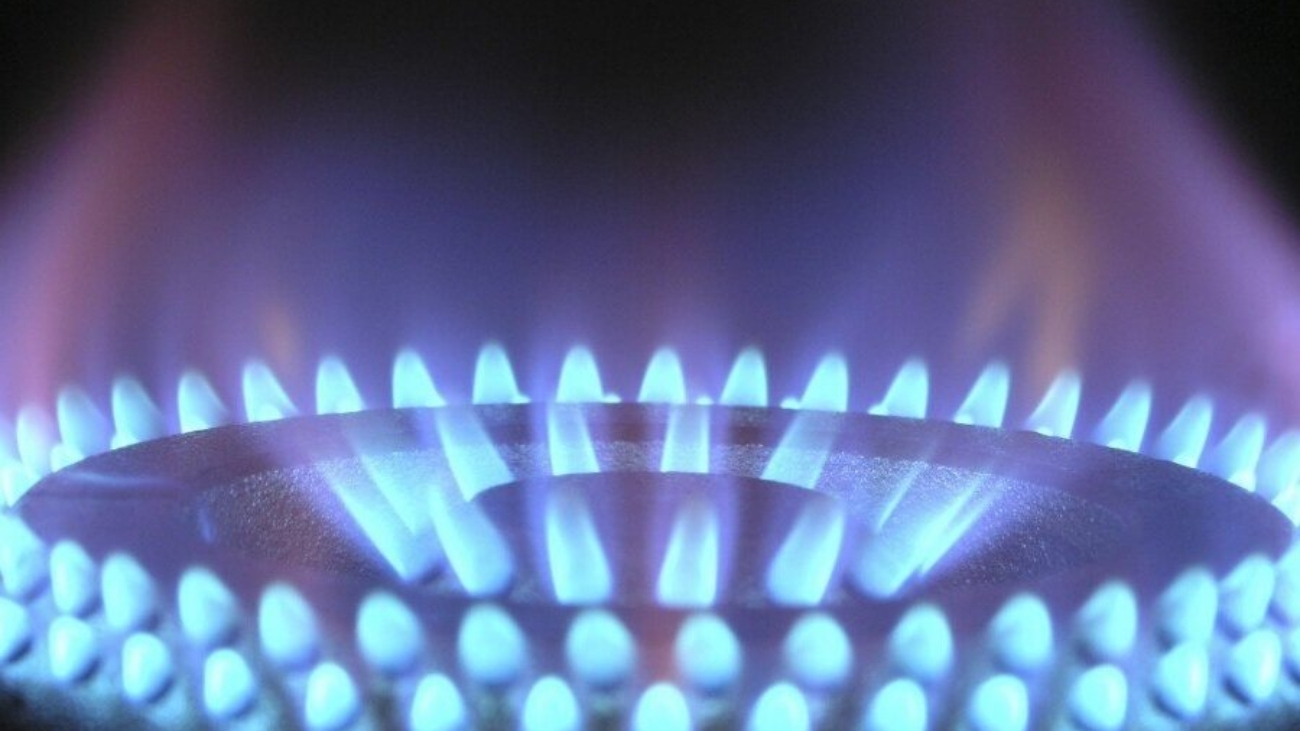
A faulty gas line can cause sudden and devastating damage to a home. But that’s not the only thing that can go wrong. Natural gas leaks can also cause serious physical problems if left unchecked.

That’s why it’s crucial to be educated about the signs of gas leaks and remain vigilant if a home uses natural gas. In this article, we’ll go over some of the most common signs of a natural gas leak and how to protect your home and family.

A smell like rotten eggs

The natural gas used in residential applications has a highly specific smell. And it’s an odor that’s added to the otherwise utterly odorless gas. During the production process, gas companies add an agent called mercaptan that gives it a distinctive smell. The smell resembles rotten eggs or sulfur, and it’s one of the most noticeable signs of a gas leak.

Sounds of escaping gas

A substantial gas leak produces a sound as the gas escapes. A hissing noise like a balloon deflating is coming from a leak around gas installations. To confirm a leak, use soapy water and a rag or brush.

Make a mixture of dish soap and water and ensure that it’s thoroughly dissolved. Then, use a rag to apply it to and around a gas fixture suspected of leaks. If there are any leaks, they will create consistent bubbles in the suds to show the leak’s exact location. The soapy water test doesn’t entirely exclude the possibility of leaks, but it’s highly reliable if done correctly.

Physical damage to the gas lines

Any bruises or breaks in gas lines are a reason for concern. If there’s evident damage to a gas line or fixture, it could be a problem waiting to happen even if there isn’t a leak at the time. Always err on the side of caution and consult a professional.

Health effects of gas leaks

Physiological symptoms can be indicative of a gas leak. These include generalized fatigue, headaches, dizziness, nausea, and breathing problems. In hyper-sensitive people, gas leaks can also produce vomiting.

If anyone in the home experiences any of these signs, the best course of action is to contact a licensed professional to test for gas leaks in the home. Leaks may be challenging to find for the untrained.

Protecting a home from gas leaks

The best defense is always remaining vigilant, but other tools can help, as well, such as a gas monitoring system. A comprehensive monitoring system will measure the levels of gas and have provided safeguards to shut off valves and turn on ventilation fans.

An ounce of prevention

Natural gas leaks can be hazardous, but they don’t need to be a cause for alarm. A homeowner who knows the signs can respond long before there’s any chance of an accident.

Furthermore, assuage concerns by installing a gas monitoring system in the home. With a monitoring system, even if a problem arises, it won’t get to the point where it can cause damage.

Royalty Plumbing offers high-quality residential plumbing services in the areas of Las Vegas, Henderson, North Las Vegas, and Summerlin.

Royalty+Plumbing-Kitchen-work

Reasons You’ll Need a Plumber for the Kitchen Remodel

When it’s time to remodel your kitchen, it’s only natural to focus on the outcome more than the process itself. And while it can be tempting to roll up your sleeves and commit to a DIY project, it’s best to hire a professional.

This is particularly true if you’re looking to change the entire layout of the kitchen. Here, we’re going to talk about some of the most convincing reasons you need a plumber for kitchen remodeling.

Sink and dishwasher installation

If you’ve decided that your sink and dishwasher need relocating in your kitchen, it will require extensive plumbing work.

The sink needs to have access to hot and cold water. And the dishwasher is also going to require complex plumbing.

However, if you plan to keep the sink and dishwasher in the same place, it will involve less work but still might require the services of a plumber.

Gas pipe rerouting

If you are also planning on moving appliances around the kitchen, then both the plumbing and gas lines will be affected.

Committing to a new kitchen design might also mean replacing old gas lines to meet the current building codes. Only a professional and licensed Master Plumber can identify these issues and adequately address them.

Garbage disposal installation

Garbage disposal is something many homeowners decide to incorporate when planning a major kitchen remodel. And that’s something that’s going to require professional work.

However, not every plumber has the license to install a garbage disposal, so be sure to verify it. Also, the garbage disposal needs the GFCI outlet. If your kitchen doesn’t have one, you’ll also need to contact an electrician to install it.

You’ll get the best results

Unless you have plenty of experience with kitchen remodeling and all that comes with it, you’re going to need professional plumbing services for the best results.

You will get the benefit of their planning expertise and a general projection of what’s possible and what isn’t. They will be able to understand the homeowner’s vision of what they are trying to achieve and plan accordingly.

Less stressful

Regardless of how well it’s planned out, any home remodeling project is going to end up being quite stressful. And most people can’t drop everything and dedicate their time to work solely on their kitchen.

Often what happens is that you end up being so caught up into technical details that it’s easy to forget about the aesthetics of your new kitchen. Hiring a plumber means being able to focus on those details more.

Enjoy your professionally done dream kitchen

Remodeling your kitchen usually means adding new appliances, using the overall space better, and having every unit working more efficiently.

It takes skill and knowledge to make all this happen. And that’s why choosing to hire a plumber is the best choice for delivering the results you want.


Royalty Plumbing offers high-quality residential plumbing services in the areas of Las Vegas, Henderson, North Las Vegas, and Summerlin.
Royalty-plumbing-bath-bombs

Are Bath Bombs Safe for Plumbing?

A good warm bath after a long and tough day is the best way to soothe and relax. Accessories like bath bombs take that experience to a new level with added scents and vibrant colors. 

Bath bombs have become one of the most popular bath accessories as they provide relaxation and relieve stress. While they are fun and positively affect the body and mind, if not used carefully, bath bombs can damage the plumbing by clogging drains.

Are bath bombs safe for plumbing?

The answer to this question lies in the materials used to make bath bombs. They are available in different shapes and sizes and produced using a variety of ingredients. Bath bombs are usually made from baking soda and Epsom salt that easily dissolves in water. But some of the bath bombs contain ingredients like cocoa butter, corn starch, flower chunks, colorful dye, glitter, and other additives that do not fully dissolve in water and get stuck in the pipes and drains. Over time, these deposits collect substances like soap and hair, which ultimately cause nasty clogs. The frequent use of bath bombs triggers drain clogs, which, if not fixed, can lead to serious plumbing problems. 

We have always heard that it is harmful to flush oils down the pipes. Bath bombs contain plenty of essential oils that can solidify as they cool in the drains and create an obstruction. While all the bath bombs’ ingredients make them look attractive and beautiful in the bathtub, they are likely to create a horrible mess in the pipes. 

How can I use bath bombs safely?

It is evident that bath bombs are bad for the plumbing system, but this doesn’t mean that you should stop using them altogether. If you love using bath bombs frequently, here are ways to use them carefully without damaging the plumbing:

  • Use a nylon stocking to make a DIY bath bomb holder and tie the top using a band or hair tie. Put the bath bombs in a nylon cover, which will hold all the decorative ingredients, and prevent them from going down the drain. 
  • After bathing with the bath bombs, clean the drains using hot water, vinegar, and baking soda. It will prevent any material from sticking to the pipes and cause clogging. 
  • Use a removable drain filter inside the bathtub to stop any debris going down the drain.

Following these precautionary measures while using bath bombs will help keep the drains clog-free. 

If you are experiencing slow drains or issues with the plumbing system, call a professional plumber to fix it. Along with cleaning the pipes to allow smooth water flow, they can also assist with other plumbing issues and offer effective drain cleaning solutions to avoid problems in the future.

Royalty Plumbing offers high-quality residential plumbing services in the areas of Las Vegas, Henderson, North Las Vegas, and Summerlin.
Royalty+Plumbing-8

Why You Might Need A Sewer Cleanout

Most homeowners think about a sewer cleanout only when they face clogged sewer lines. Any problem with the sewer line hampers the smooth functioning of the plumbing system as all of the plumbing fixtures, pipes, and drains are connected to it. Sewer line problems occur when the pipes get damaged due to corrosion, root intrusion, leaking joints, misalignment, and drooping soil lines. If you suspect damage to the sewer line, call a plumber immediately.

What is a sewer cleanout?

A sewer cleanout is a vital part of a house’s plumbing system. It is a capped pipe that facilitates easy access to the home’s sewer system to help clear blockages. The pipes are made of PVC piping or cast iron, with a plastic, cast iron, or brass cap on the tip. It is usually located outside the home in the front or back yard along the lateral sewer line, strategically placed to give access to any section of the sewer line.  A lateral sewer line connects your home sewer line to the public sewer system or septic tank. When you face issues with the sewer pipes, the plumber will send a camera down through this sewer cleanout into the main sewer drain to identify the extent of the problem. Based on it, the plumber decides whether to use a plunger, a drain snake, or hydro jetting to unclog. He will run the camera again through the sewer cleanout to ensure that the drains have fully unclogged.

Reasons you might need a sewer cleanout

While newer homes have a sewer cleanout, the older homes may not. It is best to have one installed for the safety of the plumbing system. Common sewage problems include blockages, leaks, foul odor, slow internal plumbing drains, crack in the lines, mold, cracks in the home’s foundation, and pest invasion poses a threat not only to the plumbing system but also the health of your home and family. Without a sewer cleanout, there is always a risk of dangerous gases that build up in the pipes to get in and around the house. You can be fined for not having a proper sewer cleanout if it is required according to the local or state plumbing codes. Having a sewer cleanout is an invaluable asset when you need to clear sewer line blockages. Without one, you will have to insert the large auger through toilet or fixture drains, which can cause it to crack. It is beneficial to know its location, especially when plumbing services are required to treat sewer line problems. In larger homes, it is pretty common to have multiple sewer cleanouts. Call a plumber or a plumbing contractor to get one installed on the property. The cost of sewer cleanout installation will depend on the condition of the existing pipes, and the excavation work involved. 

If you suspect sewer line blockages, turn off the water supply and stop using all the plumbing fixtures immediately. Look for the sewer cleanout outside the home to check for any sign of blockages. If you don’t have one, consider installing it by a professional plumber.

Royalty Plumbing offers high-quality residential plumbing services in the areas of Las Vegas, Henderson, North Las Vegas, and Summerlin.

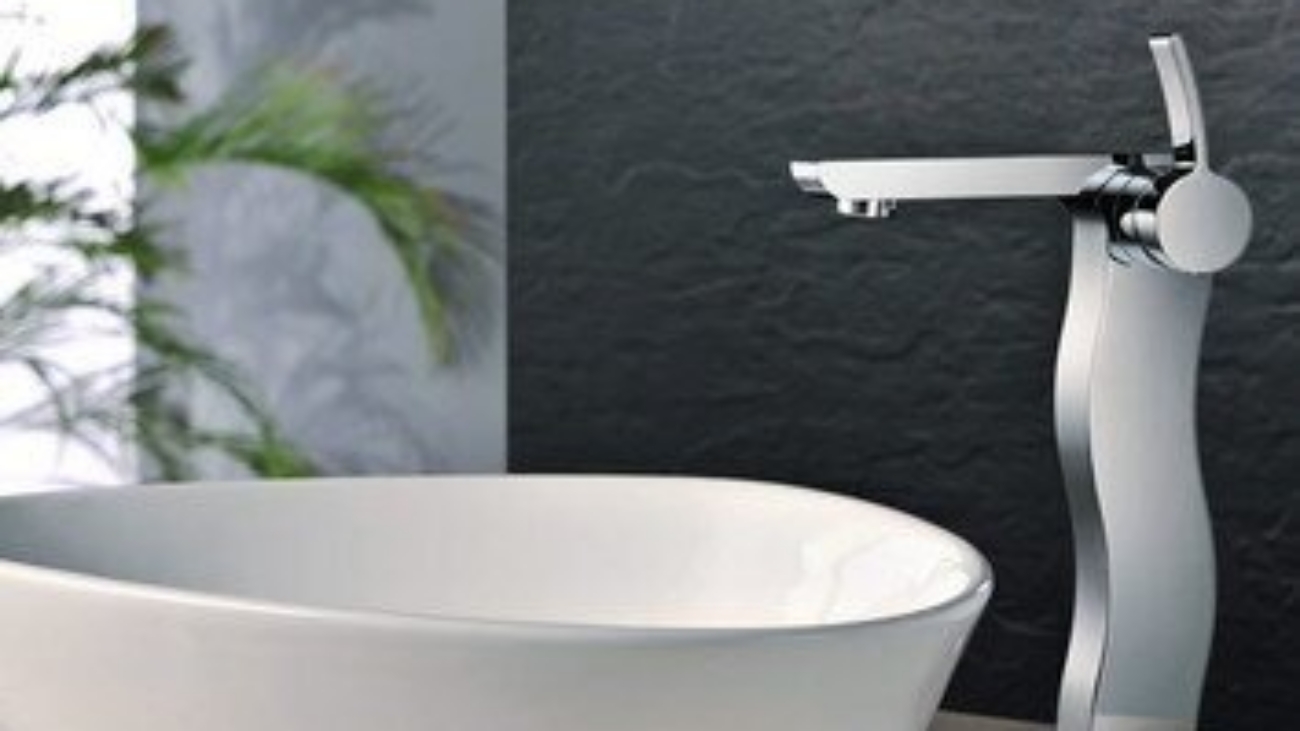
Royalty-plumbing-select-new-faucet

Considerations when Selecting New Faucets

One of the fun things about a bathroom or kitchen remodel, even a small one, is picking out the new faucets. New faucets are much better than their older counterparts, as they’re safer, easier to use, and even Smart. 

Some of the reasons people replace their faucets include updating their hardware during a remodel, changing tastes, and upgrading. A faucet can be corroded, cracked, or have lost its finish. Many have internal threads that can no longer be replaced when they’ve worn out. Or, the aerator threads can be worn down, or so mineral encrusted that no amount of cleaning will bring them back up to snuff.

Count the holes

The number of holes in the deck and the spacing between them should be measured before you shop. There can be from one to four holes in a sink deck. You might need an escutcheon to go around knobs or a sink hole cover to hide the ‘spare holes.’ A few homes have wall-mounted faucets, and if yours is one, you’ll want to stick with that option.

One handle or two?

A single handle is the most convenient option for mixing water, but some don’t like them because they want the control offered by two handles. Also, you can have a no-touch faucet that will turn itself on when it senses your hands just like those nifty ones in the bathroom at the mall. You can get a ‘touch’ faucet that will turn on and off if you touch it with any part of your body. That’s a great feature for new moms and people who have had their hands in something they don’t want on their faucet handle. You can also get a modification that allows you to tell your faucet to turn itself on, dispense one cup, or enough to fill the coffee pot. 

Spout

The height and style of a spout depend on a few practicalities. If you have a window, shelf, or cabinet, you may not have the clearance for an arc-style faucet spout. But, having the space an arc affords is incredibly helpful, such as if you use the sink to clean large items. If you have a three-bowl sink, you’ll want a faucet that can reach all three bowls. You can also get a sprayer, either a side sprayer or one that is integrated into the faucet itself. If you get an integrated sprayer, you can turn the old sprayer hole into a soap dispenser. Integrated sprayers have proven themselves to be more reliable and less apt to leak than side sprayers.

The right finish

Usually, when a homeowner chooses a metallic finish for a faucet, it should be one that matches the other hardware in the kitchen or bath. Drawer pulls, towel bars, light fixtures, or any other metallic elements can be copied or complemented. If your faucet doesn’t match, it will look weird. While chrome is the most durable, some homeowners opt for black or white in the kitchen–either wrought iron black, matte black, or a glacier or ivory white.

Quality

A less expensive faucet is going to be a lower grade of quality. The wiser option is to pay a little more for a better-quality faucet without getting into the high-end faucets. If you opt for an expensive faucet, be very confident that the features it offers are ones you need. Otherwise, a middle-of-the-road price will probably get you a great faucet that will last a long time.

Installation

When installing your new faucet, follow the instructional manual, particularly about not over tightening specific components, which can split if they’re over-tightened and cause a leak or flood. Many people choose to forgo installing their faucets and the inherent risks and have us to it for them instead.

Royalty Plumbing offers high-quality residential plumbing services in the areas of Las Vegas, Henderson, North Las Vegas, and Summerlin.
Royalty-plumbing-temp

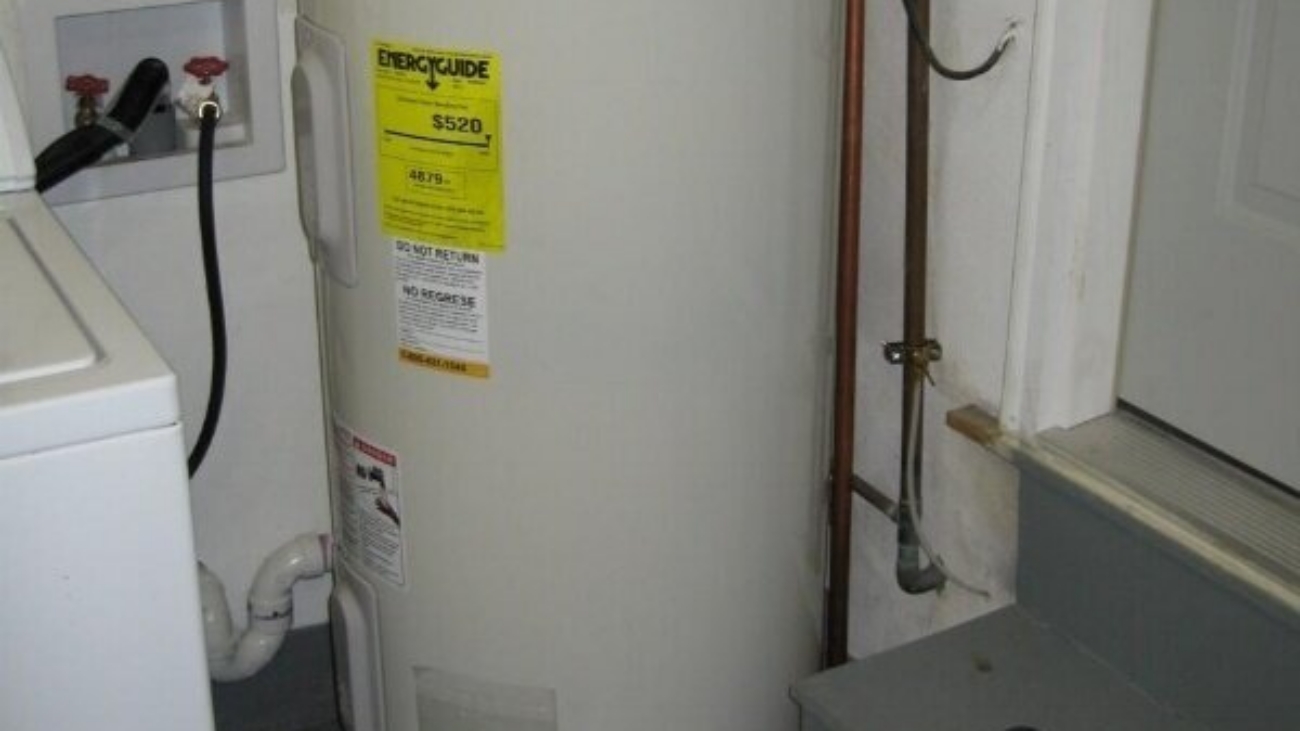
Water Heater Tips to Save Money and Energy

Water heaters account for a big chunk of a family’s energy bills. According to the US Department of Energy, it contributes to about 18% of the utility bills of a modern household. Heating water for various purposes like laundry, showering, and washing dishes is the second-largest energy expense after heating and cooling. By using your water heater efficiently, you can save money and live a more environment-friendly lifestyle.

Regardless of the type of water heater, adopting some simple practices can make a water heater run more efficiently. 

Here are some water heater energy-saving tips that might be helpful:

Lower the Thermostat

Most manufacturers set their water heater thermostat at 140 degrees. The Department of Energy recommends lowering the thermostat to 120 degrees. You can save 3% -5% on your heating costs for every 10-degree reduction, significantly lowering your energy bills. A lower temperature will reduce the risk of scalding and mineral build-up in the tank and pipes. If you don’t see a numbered gauge on the water heater, test the water at the faucet nearest the water heater with a thermometer to set the desired temperature. 

Upgrade to a tankless water heater

Tankless water heaters are high-performing and more energy-efficient than the standard tank heaters. They will provide a hot water supply on-demand and significant energy savings –up to 40%. If you are still using the traditional tank water heater, consider investing in a good quality tankless water heater.

Drain the sediment

Over time, sediment will build-up in the water heater tank and reduce its efficiency and lifespan. Drain your water heater once or twice a year by following the manufacturer’s instructions. It will keep your water heater tank sediment-free to help it run efficiently and conserve energy.

Repair leaky faucets

Don’t put off fixing your leaky faucets for long. Plumbing leaks lead to a lot of water waste. It may appear like a minor nuisance but fix it immediately to save water and the energy to heat it if it’s a hot water leak. 

Insulate the water tank and pipes

Insulate the water heater tank and exposed pipes to save a significant amount of energy by retaining heat when the hot water moves from the heater towards its destination. Insulating the first 5-6 feet of hot-water pipes coming out of the heater will reduce the heating time, thus saving money and energy. New water heaters are well-insulated, but the old water heaters are not, and they will lose a lot of heat. If your water heater is old and located in an unheated space, cover it with an insulated blanket to cut heat loss by 25-45% Make plans to replace it soon. 

Install a timer

A standard water heater is always running and using electricity to keep the water in their tank heated all the time. It is a waste of money to heat water which you are not going to use. Installing a timer helps you program it to be off when you are away or asleep, saving energy and money.

Always make sure that you have the right-sized water heater for your household needs. 

By following these simple water heater tips, you can save both money and energy.

Royalty Plumbing offers high-quality residential plumbing services in the areas of Las Vegas, Henderson, North Las Vegas, and Summerlin.
Royalty-plumbing-water-heater-care

Water Heater Care

Warmer weather comes with a litany of chores as the residents of the Las Vegas and Henderson area prepare their homes for the summer heat. We are often asked if people really need to drain their water heater. The answer is ambiguous

The answer is–maybe.

Our water travels through various filters and screens on its way to water users. The quantity and quality of these depend largely on the location. Also, sometimes there will be a break or that particular area may ‘flush out’ their lines, which means it comes to the consumer. 

The bottom line

A homeowner won’t know how often to drain their hot water tank until they do it to see how much sediment has built up in the meantime. In some tanks, it’s almost nothing. Other tanks can accumulate several inches of sediment–enough to block the spigot–in the same amount of time. After it is drained the first time, the quantity of material offers a pretty good idea of how fast the sediment collects. But, if it happens in an area of the Valley where there is a break or they flush the water line, the tank could have a significant amount of sediment suddenly appear.

Your water heater manufacturers will have a recommendation.  For example, some water heater manufacturers recommend only draining off about a gallon of water, but suggest doing so once a month.

Some people never drain their water heater tank. What happens?

They may have sediment at the bottom of their tank. It might be a little or a lot. The gunk at the bottom interferes with the heating ability of the tank and makes it work harder to heat the water. 

The process

Here is a general guideline of how it’s done. Consult the hot water heater manual for specifics:

Get a hose. One with a rubber gasket in it is best, to help avoid leakage at the hose connection.

Turn off the power to the water heater. This is not optional because not being shut off can burn up the water heater.

Turn off the water going into the water heater. Otherwise, it will continue to be replaced as it drains.

Let the tank cool. How long this takes depends on the size of the tank, amount of insulation, and the temperature of the water in the tank to start. Some people only need to wait a few hours. Others leave it overnight. 

Connect the hose to the drain valve, which is a spigot at the bottom of the hot water tank, and run the other end someplace where it’s reasonable to let the water drain. Since the water will have sediment, don’t drain it into a garden or a place where there is plant material that might be sensitive to calcium. 

Turn on a hot water faucet somewhere in the home. It will act as a relief valve and hasten the flow of the water from the drain spigot.

Turn on the drain valve. Let it run until the tank is empty. Most of these spigots are angled and poorly designed to remove the sediment–remember, they’re devised by the hot water tank manufacturers, who are much more interested in sales than good water heater maintenance!

Turn the water to the tank back on while the drain spigot is still open to remove any remaining sediment. Once the water runs clear from the end of the hose, the valve can be closed to allow the tank to heat up.

Shut the hot water faucet off (the one open in the house).

When the tank is full, turn the water heater back on. 

This simple process can add years of life to a water heater.

While draining the water heater, if there is a leak or some other type of problem, or if you’d rather have a professional drain the tank, let us know.  We’ll be happy to schedule a visit.

Royalty Plumbing offers high-quality residential plumbing services in the areas of Las Vegas, Henderson, North Las Vegas, and Summerlin.
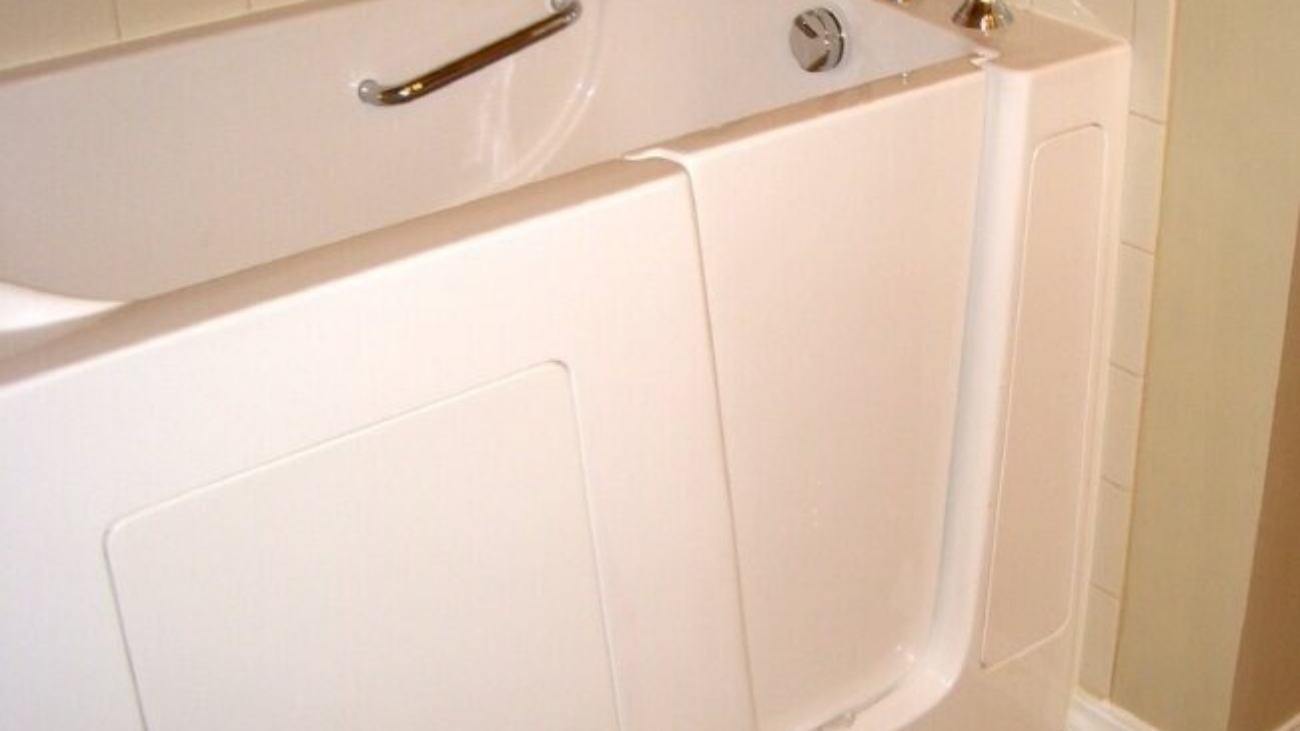
Royalty-plumbing-walk-in-tub

Bathing Options for the Mobility-Compromised Homeowner

As so many people are staying in their homes after they retire, more people are seeking renovations to accommodate their mobility needs, it’s essential to create a home for their safety, comfort, and convenience. Some of the adaptations helpful to these individuals are wheelchair and walker accessible doorways, ramps, and pathways. Lowered cabinets, readily reachable switches, and modified storage are also beneficial.

Existing structure, future needs

But, lowered mobility is most often an issue for mobility-restricted people in the bathroom. The need for renovations to accommodate a restriction of mobility have made bathrooms evolve from being places of function into places of comfort and relaxation. To accommodate these needs, engineers and designers have more readily created spaces that fit a wider range of needs, including those of the less mobile. Before renovations of the bathroom can begin, the structure of the existing bathroom and home has to be taken into consideration to make sure there is enough available space before remodeling can proceed.

Walk-in tubs

The most asked-about bathroom remodeling addition is the floor level, walk-in tub. Walk-in bathtubs have vastly improved since the original ‘walk-in, inward opening door’ models. For individuals who can balance while standing, but lack the capacity to climb into a regular bathtub, this original low-threshold option was the first of many solutions which now exist for bathers with mobility issues.

Other options

An oft-overlooked segment of physically limited individuals is those who cannot stand at all such as those with spinal cord injuries. For those and others who are wheelchair-bound and don’t have the option of balancing while upright, there are now seated version models with outward swinging doors, which allow the bather to slide laterally onto a seat in the bathtub. This model is also floor level and has an outward swinging door, which makes it easy to transfer the bather from the wheelchair to the bath without a lift.

Raised tubs

Beyond these two options are various styles which include lying-down models, square and extended ledge versions. There is a raised bathtub for those who require the assistance of a caregiver. Some models include a quick-draining feature. Another contains a mobile seat option, which lifts, turns, and lowers the bather into the bath.  Regardless of which of these options suit the needs of the bather, safety, convenience, and comfort should all play a role in the selection process, since forgoing any of these would produce a less-than-satisfactory outcome. None of these bathtubs require a mechanical lift to operate, which means they can be installed in bathrooms without the need for the additional space necessary to accommodate a lift alongside a suitable bathtub.  

If a bather doesn’t have respiratory or ear problems, or they can be managed by using a handheld shower nozzle, a floor-level shower with a fold-up bench seat is another option.

Regardless of options, careful consideration of each choice and some planning with the contractor will assure that the remodel results in a bathroom which contributes to the comfort, privacy, and independence of the individual. Options for the less mobile in the bathroom should address the needs of the person who lives in the home, rather than just a one-size-fits-most solution.

Royalty Plumbing offers high-quality residential plumbing services in the areas of Las Vegas, Henderson, North Las Vegas, and Summerlin.

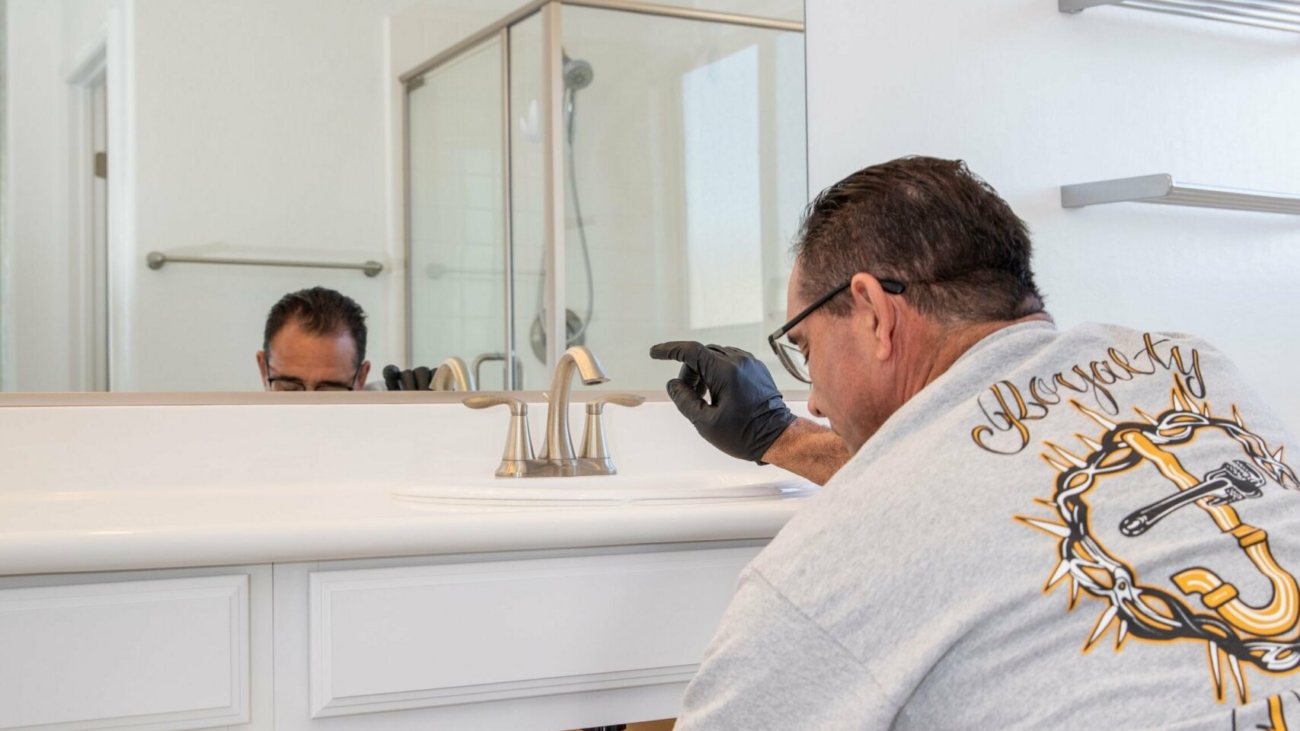
Royalty Plumbing plumber working on a sink

How Does Las Vegas Get its Water?

As we all know, Nevada is the driest US state, and Las Vegas is a desert. As plumbers, this makes us deeply interested in the sources of water in the city. The water need grew exponentially for the town after it exploded as a vacation and gambling destination. If you are wondering how Las Vegas gets water to meet the demand in the middle of the desert, here we offer the details.

There are two primary sources of water supply in Las Vegas to meet the current water needs: the Colorado River and groundwater. While the water from the Colorado River is mainly taken from Lake Mead, groundwater is pumped from the underground rivers and aquifers.

Colorado River

90% of the water used in Las Vegas, both by its residents and the visitors, comes from the Colorado River. The water starts as rain and from the melting of the snow in the Rocky Mountains. The water then travels via several tributaries into the river. The water from River Colorado is shared by seven western states and Mexico, serving around 40 million people. Water conservation is the top priority of the State as the river supply has suffered severe drought for 20 years, reducing the water in Lake Mead. Since Nevada is still not using the full amount of water allocated to it, there will not be any impact on the current water use even if a shortage is declared.

Groundwater

Las Vegas valley groundwater accounts for 10% of the city’s municipal water supply. This water comes from under the surface of the Earth. The area where the groundwater is found is known as an aquifer. There are three such main aquifer zones, and a thick layer of clay and sediment protect this water form contamination. The water is pumped from these aquifers for supply to the city. These aquifers get their water from rain and snowmelt from the mountains surrounding the valley. Several users who don’t get water supply from the municipality, rely on more than 6000 wells within the city for groundwater year-round.

Recycling

Of the 40% of the water used indoors, about 99% of it is captured, treated, and recycled, for indirect or direct use.

Water Conservation

Conservation is the best way to cut both current and future water demands. There are various steps taken to conserve water by reducing its consumption. Some of these include:

  • Aggressive campaigns to educate citizens to reduce their water consumption through Smart plumbing appliances and WaterSense products.
  • Computerized monitors installation for leak detection in the city’s water infrastructure.
  • Xeriscaping and watering the vegetation during the night, as in the dry and arid climate, the water evaporates quickly during the day.
  • Seasonal watering restrictions
  • Rebates and coupons for locals for reducing consumption and waste.

The Las Vegas Wash

The Las Vegas Wash contributes approximately 2% of Lake Mead’s water. The water that flows through the wash is from urban run-off, stormwater, treated wastewater, and shallow groundwater. The Las Vegas Wash is a natural wetland that helps protect the water supply and home to various animal and plant species. Several programs are assisting in protecting and restoring the wash.

If you want to join the ranks of water conservation advocates and need Smart plumbing appliances installed, WaterSense products to prevent waste, or even just want that leaky faucet fixed, why not give us a call? We’d love to hear from you.

Royalty Plumbing offers high-quality residential plumbing services in the areas of Las Vegas, Henderson, North Las Vegas, and Summerlin.