
Royalty-plumbing-signs

Signs Your House Has a Plumbing Problem

Issues with the plumbing system in your home can seem relatively minor at first, but they can quickly spiral out of control. That’s why it’s important to know how to recognize signs of plumbing issues as quickly as possible. Fortunately, there are many ways to determine if there is something wrong with the plumbing.

Here we’ll cover some of the most common signs that your house has a plumbing problem that needs to be dealt with right away.

Low water pressure

While many associate low water pressure with scale buildup in the faucet or hose, it can also be a sign of a plumbing issue. What’s more, it could indicate that your pipes are clogged. The best way to determine whether you’re dealing with scale buildup or a plumbing problem is to ascertain whether it is occurring in an isolated location.

If the water pressure is low in multiple water outlets in the house, it’s a clear indication of a plumbing issue.

The water has a bad smell

One of the most common signs of plumbing issues is an odor that can spread through the whole house. If the smell is coming from the kitchen sink, then it might be the result of bacteria buildup. However, if the smell is throughout the house, it may mean that the pipes are clogged, or there is a break in the sewer line.

Discolored water

No one wants to see murky water when they turn on a faucet or take a shower. Discolored water is never a good sign. While yellow or brown water is usually an indication of rusty pipes and can also indicate a leak as the result of corrosion.

Slow drainage

Water slowly going down the drain can mean a number of things. If this occurs with only one drain, it’s usually a sign of a clog comprised of hair, food leftovers, or something else that fell into the drain itself. However, if there are multiple slow drains in the house, this usually means that the sewer line is partially blocked.

Weird texture on the wall or ceiling

Signs of a plumbing issue don’t only appear in bathrooms and kitchens. In fact, they can be found on the ceiling and walls as well. Deteriorating paint or wallpaper to a bubbly texture on the ceiling and walls could be signs of a plumbing problem.

All of these occurrences point to moisture buildup caused by a leak in the house. Even brown spots on the ceiling could indicate that the pipes are leaking.

Increased water bills

If the water bill has increased significantly, but water usage hasn’t changed, this could be a sign of an undiscovered plumbing issue.

Be wary of hidden signs of plumbing problems

Sometimes, plumbing issues are obvious,  such as a clogged toilet or flooding. However, plumbing problems can also occur without anyone noticing. Subtle signs like low water pressure, slow drainage, and a foul smell can all indicate there is something wrong with the plumbing system.

For those who suspect there might be a plumbing problem in their house, the best thing they can do is call a professional plumbing service.

Royalty Plumbing offers high-quality residential plumbing services in the areas of Las Vegas, Henderson, North Las Vegas, and Summerlin.
Royalty-plumbing-failing-water-heater

Top Signs of a Failing Water Heater

Not having hot water can be a rough start to any morning. Having a leaky water heater is also no fun. Water heater issues create more than a lousy morning routine, they can be signs that the water heater is old or needs replacement or something else is amiss with the unit. While lack of hot water is just one sign of the water heater failing, numerous others also tell a homeowner it’s time to have that water heater checked out. Here are the most common signs your water heater is failing:

Having only cold water

If the water running from the faucet or showerhead is only coming out cold and never getting warm, there is a problem with the water heater. Because the heating systems throughout your home are complex, there could be dozens of reasons causing the issue. The first place to consider is the source. For electric water heaters, often, a breaker gets tripped and stops the unit from heating the water. For gas, the pilot light might have gone out. Depending on your specific situation, if you’re not comfortable turning the electrical or gas back on, consult with a seasoned professional plumber to get your hot water to return to your fixtures. 

Water only gets warm, but not hot

Having a lukewarm bath is about as satisfying as getting a cold meal at a restaurant. However, if your hot water is only getting warm, then there may be some sediment buildup affecting the water heater. Minerals in our water supply quickly accumulate, especially in homes with hard water. Minerals like magnesium and calcium collect at the bottom of the tank and lower the effectiveness of the heating element. To fix this situation, have a licensed plumber flush your water heater every year or so during a routine plumbing inspection. 

Noises coming from the water heater

Sediment buildup also shows signs of a water heater failing by making gurgling or popping sounds. The first sign may be lukewarm water, and then questionable sounds may follow. Do not ignore popping or bubbling coming from the water heater, as damage can often be irreparable or lead to the water heater exploding. While an exploding water heater is not a common occurrence, sounds emanating from the unit are enough reason to get it checked out.

Smelly, discolored water or bad taste

Bacteria can grow in water tanks and later affect the water that runs from the unit. Stinky or discolored water are clear signs of the water heater needing some attention. Corrosion in the tank can also cause the tap to have a metallic or unfavorable taste. Corrosion and leaks tend to break down water heaters over the years and create more than icky water. They usually lead to needing an entirely new water heater. 

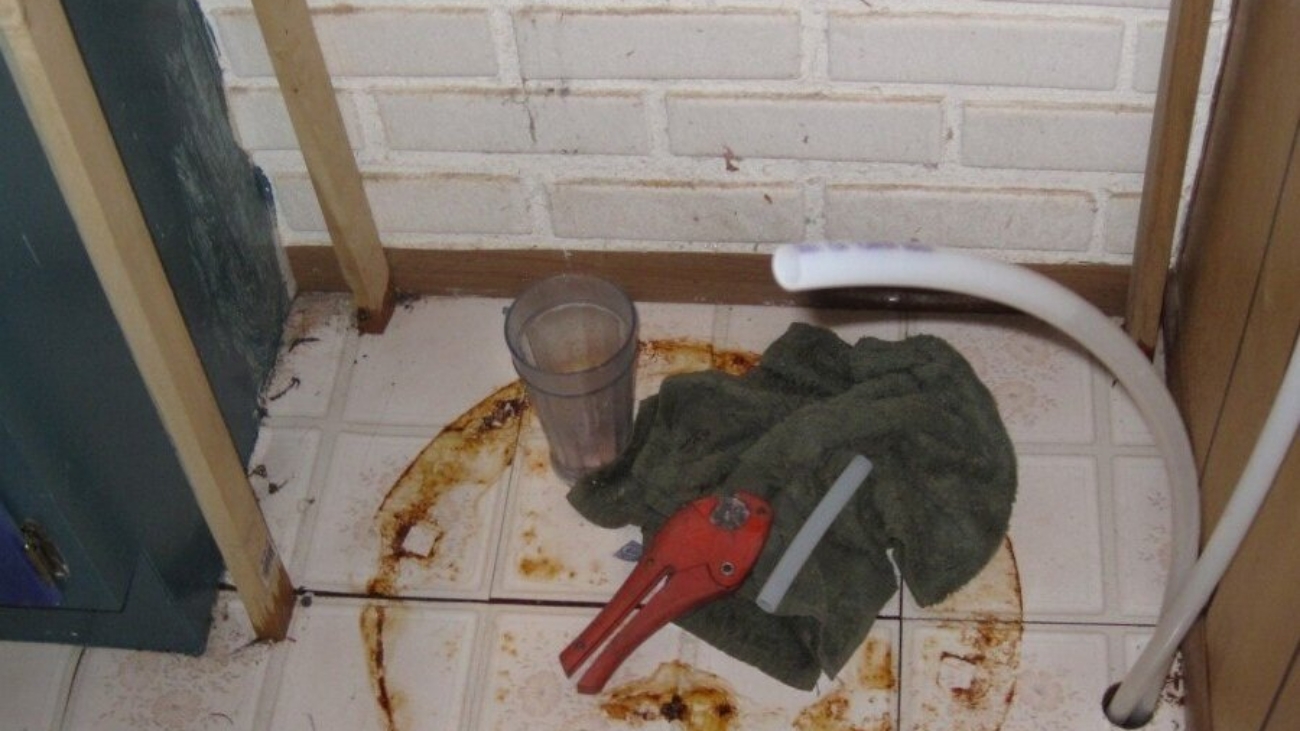
Visible leakage around the unit

Temperature fluctuations and the water heater set too high causes a buildup of pressure and affect the pressure relief valve. If the pressure relief valve becomes faulty, there may be visible leaks or pooling around the water heater. To ensure that the unit doesn’t require significant repairs or replacement, have any water heater leaks looked at by a local plumber. 

Get professional assistance to diagnose and fix your water heater

Some signs of a water heater failing may seem scary, and others mundane. The fascinating thing about this heating system is that the difference between a simple problem and a big one can be pretty slight. Sediment buildup usually is fixed by a water heater flush, installing a water softener, or replacing the anode rod. Still, it can mean a unit is beyond repair and requires complete replacement. An experienced plumber will know the difference and help your water heater get back in good graces with the rest of the home. 

Royalty Plumbing offers high-quality residential plumbing services in the areas of Las Vegas, Henderson, North Las Vegas, and Summerlin

Royalty-plumbing-choose-best-faucet

Your Quick Guide to Choosing the Best Faucet

Faucets perform the vital function of delivering hot or cold water in a controlled manner from the plumbing system. They may seem trivial to many but are an essential plumbing fixture. They play a crucial role in enhancing the functionality, defining a bathroom or kitchen look, and reflecting individual taste. Choosing and installing the right plumbing fixtures adds to the aesthetic value and enhances the ambiance of a space.

Faucet technology is constantly evolving, resulting in faucet availability in varied designs, finishes, sizes, features, and prices. It gets overwhelming and tricky to choose the best faucet while shopping for new faucets for a renovated kitchen or bathroom or newly constructed home. 

Aesthetic appeal is not the only thing that matters while choosing a faucet. Here are a few other essential aspects homeowners should consider while selecting the right faucet type for their homes:

Material

Brass and stainless steel are the common materials used to make faucets. Some less expensive options like zinc and plastic are also available, but they are the least durable. Choose a faucet material that can endure general wear and tear, is rust-free, and is easier to maintain.

Handles

Faucets come with one or two handles. While two-handle faucets look attractive, make a style statement, and have separate handles to control hot and cold-water supply, one-handle faucets are more popular due to their affordability, practicality, and user-friendliness. Single-handle faucets are easier to install and make it more convenient to regulate temperature and water flow. In the end, choosing the best number of handles comes down to personal preference. 

Cost

Faucets come in a varied price range. Cost is an essential consideration while choosing a faucet. Quality faucets are expensive, but the price is not the only deciding factor. Do proper research and weigh the option to select a faucet that looks inviting, offers better functionality, and is pocket-friendly. 

Finish

Consider the kitchen or bathroom walls and hardware to choose a finish that blends well. Chrome, nickel, and bronze are the popular faucet finishes. Chrome is preferred for heavy use as it is more durable, has a high-quality finish, and is easier to maintain than others.

Height

Faucets are available in different heights, and it is essential to consider their compatibility with the sink to avoid splashing and water wastage. Shorter faucets are ideal for small sinks, while tall faucets go well with deep and large sinks. 

Smart faucets

Touchless faucets are a great addition to a smart home. Homeowners who prioritize water conservation should consider faucets with motion sensors that identify hand movement to regulate water flow. They prevent sink overflow, unnecessary water wastage and also keep the faucet from getting dirty. Modern faucets are more efficient and come with excellent water-saving features.

Cleaning and maintenance

Faucets are among the dirtiest plumbing fixtures. Several people use them multiple times a day, mostly with dirty hands. It is essential to consider faucets that are easier to clean and maintain. Look for faucets that have a longer lifespan and require the least number of repairs.

Purchase the best faucet for your needs

Homeowners want their faucets to last long, perform well, look elegant, and go well with the overall home style. Take time to research to avoid making mistakes and buy the best faucets for the home.

Royalty Plumbing offers high-quality residential plumbing services in the areas of Las Vegas, Henderson, North Las Vegas, and Summerlin.
Royalty-plumbing-slow-drain-toilet

Common Reasons For A Slow Draining Toilet

A toilet that drains slowly might not seem like an urgent issue, but it could be a sign of a more severe problem with home plumbing. Determining the cause and repairing it is in the homeowner’s best interest. When slow draining toilets are left unattended, they can lead to expensive utility bills or broken pipes and fixtures. Here are common reasons a toilet is draining slowly and valuable tips on what needs fixing. 

A damaged or disconnected fill valve

A low water level in the tank causes the toilet to drain slowly. In this case, you could be dealing with a damaged or disconnected refill tube or fill valve. The fill valve, also known as a “ballcock,” is usually a black rubber tube found inside the toilet tank. It is responsible for transporting water from the tank to the toilet bowl. If the refill tube is disconnected, try reconnecting it and see if the problem is fixed. Though, a damaged fill valve or refill tube requires replacement.

A clogged or blocked-up drain or toilet

Whether something got sent down the toilet that shouldn’t have, or it’s been a while since the last pipe clear-out, drain blockages happen all of the time. Remember the three Ps of toilet flushing: pee, poop, and paper. Toilet paper, to be exact. That is all that you should flush down the toilet, or you might find yourself with a poorly draining commode or a full-fledged clog.

A cracked or broken toilet

Slow drainage is a potential indicator of a cracked or broken toilet. Water pooling around the base of a toilet suggests that there is a leak somewhere that requires fixing. There is no simple fix for a cracked toilet bowl. A temporary solution is to use a sealing agent, but you should only use this if you have a plan in place for replacement. 

An obstructed sewer line vent

Plumbing requires proper ventilation to function. A toilet not draining correctly might be caused by something obstructing the vent to the sewer line. The vent pipe regulates airflow so that water and waste run through pipes and out of the home. Most sewer line vents extend from the bathroom to the roof of a building. Outside debris or dead rodents can clog up the vent causing your toilet to drain poorly. A professional plumber should be present to remove an obstruction from the sewer line and will need to access the roof to ensure something is no longer blocking the vent.

A jet hole that needs cleaning

Sediment and minerals from hard water build up over time. The jet holes are openings on the inside rim of the toilet that allows water to flow from the toilet tank to the bowl. Slow draining toilets reduce the pressure behind each flush of the handle. Decreased water pressure still causes the toilet to drain, but gradually. 

Sluggish toilet drainage is disappointing. However, there are many causes for a slow-to-flush toilet, some severe problems hidden behind them. Broken toilets or plumbing fixtures can cause undetected leaks throughout the home and increase the price of your next water bill. Stick to flushing only the correct substances down the toilet and get an expert opinion when there is no simple remedy.

Royalty Plumbing offers high-quality residential plumbing services in the areas of Las Vegas, Henderson, North Las Vegas, and Summerlin.
Royalty-plumbing-dishwasher

Troubleshooting A Dishwasher that Won’t Drain

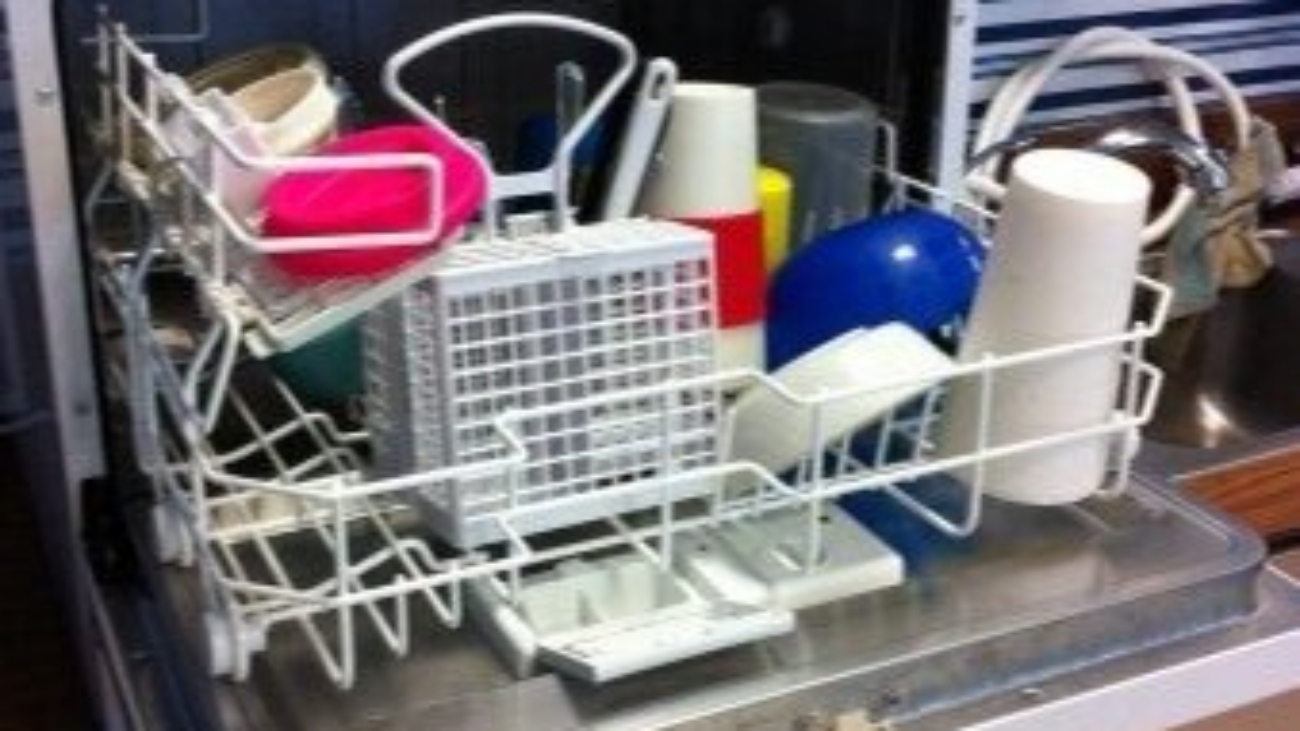
A slow-draining dishwasher can go unnoticed for months or years even. Finally, when the water pools or backs up into the sink, a homeowner will contact a plumber. There are many signs a dishwasher cannot function at total capacity, from weird gurgling and shaking sounds to garbage disposal issues. A malfunctioning appliance also disturbs other plumbing fixtures throughout the home. This article will cover diagnosing dishwasher issues and how to troubleshoot dishwashers that will not drain. 

The filter basket is clogged

Dishwashers have a basket under the racks that catch food scraps and other debris during washing cycles. The dishwasher design helps unwanted objects from entering the plumbing lines of the home. One of the most common reasons for a dishwasher to pool with water is that the drain basket needs emptying. If the basket has too much gunk in it, it is nearly impossible for the dishwasher to drain. Regularly cleaning the filter basket alleviates drainage problems. To remove hard water buildup, soak the basket in a small amount of vinegar. 

The garbage disposal is stuck

If a cause for the clog is still not identified, try testing the garbage disposal to see if it runs properly. Remnants stuck in the garbage disposal or piping below the sink lead to dishwasher issues. Never stick your hands or fragile items down the garbage disposal.

First, to remove a clog from the disposal, turn off the circuit breaker power source and the wall switch. There should be no power to the mechanism when you are working on it. Use a long wooden spoon to turn the garbage disposal blades counterclockwise gently. Use a flashlight to get a good view of the obstruction, and use pliers to remove it. Run warm water down the drain before restarting the disposal and see if the draining issue resolves. 

There is a drain hose issue

The drain hose connects the sink or garbage disposal to the dishwasher and vice versa. When this tube gets clogged, water collects in the bottom of the dishwasher or drains poorly from the sink. Place a bucket below the drain tube to empty its contents. Inspect the hose and clean any remaining sludge or debris before reconnecting. 

A pipe in the sewer line is broken or blocked

If inspecting the hose, disposal, and the inside of the dishwasher leaves you still scratching your head, the root cause is likely a broken or blocked pipe farther down the sewer line. In this case, it is time to call in an expert plumbing service professional. Blocked, old, and broken pipes are menacing on drainage and plumbing systems. Professional plumbers have the proper tools and experience to fix a pesky clog and prevent the issue from recurring. Plumbers often use hydro-jetting and high-tech cameras during inspections to diagnose and cure clogs. 

A dishwasher that won’t drain is more than an annoyance. It could be a deeper issue within the plumbing throughout the home. When spotting a clog in the dishwasher filter, garbage disposal, or the drainage hose underneath, there are simple ways to alleviate the issue, as described above. When the stoppage stems from broken pipes or a mystery source, a plumber can use special tools during an at-home inspection to uncover what is causing the dishwasher not to drain correctly. 

Royalty Plumbing offers high-quality residential plumbing services in the areas of Las Vegas, Henderson, North Las Vegas, and Summerlin.
Royalty-plumging-checking-shower

How to Stop Hair Going Down the Shower Drain

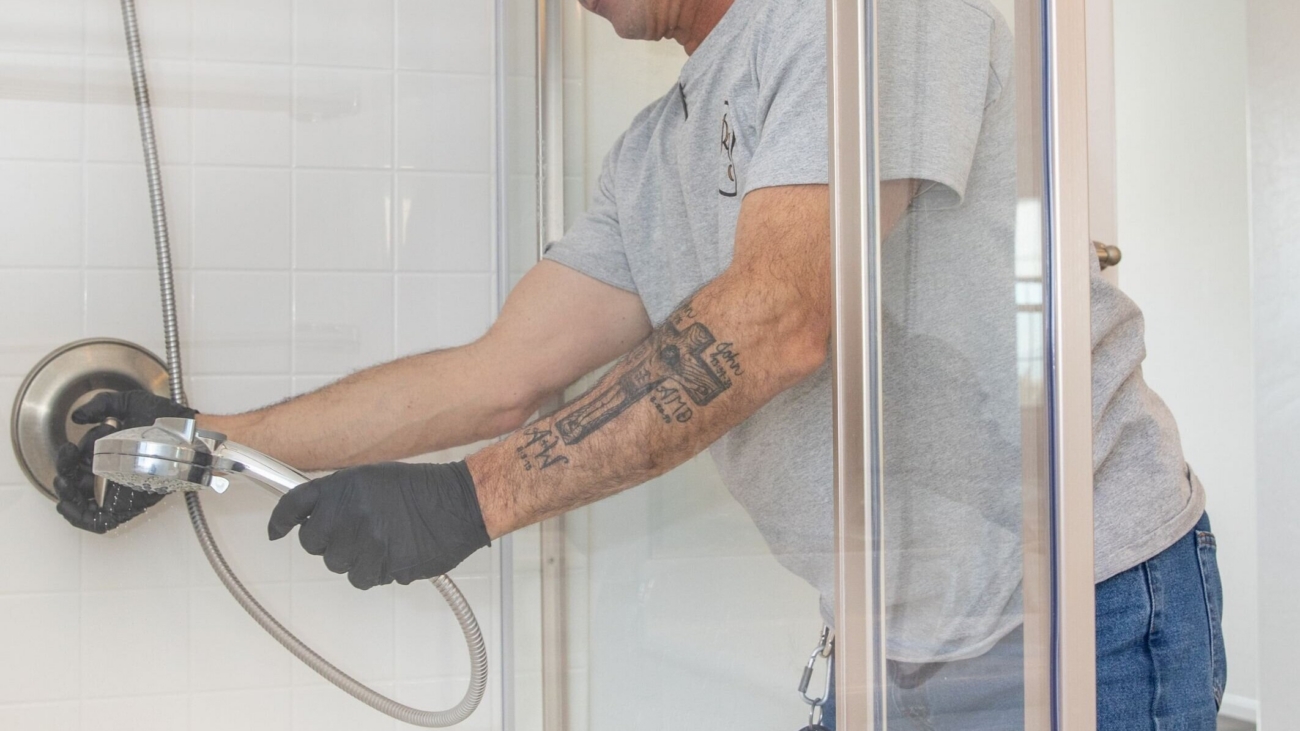
Clogged shower drains are a common plumbing issue that homeowners deal with at some point. Frequent clogs are a nuisance, cause inconvenience, and harm the home’s plumbing system. Clearing a blocked, slow-moving drain is a hassle while getting late for the office in the morning or enjoying a relaxing shower after a long and hectic day at work. The sight of filthy, soapy water backing up the drain is a nightmare. Hair is the top culprit that prevents water from freely going down the pipes and eventually forming severe clogs. Most people find it impossible to keep their hair from making way down the drain during the shower, and using chemical drain cleaners to clear clogs only makes the situation worse.  

However, there are a few things homeowners can do to prevent hair clogs in the shower drain. Let’s first look at how hair causes clogs and the steps required to clear the clogged shower drain.

How hair clogs the shower drain

During the shower, multiple strands of hair slip down the drain, and they are unable to make their way to the sewer pipes. Over time, continuous hair accumulation leads to a large clump formation mixed with soap scum and other debris, causing the water to move slowly. It makes the drains less and less functional with time, eventually causing the shower drain to back up due to the stubborn blockage.  

How to prevent hair from clogging the shower drain

Here are a few steps homeowners can take to minimize the likelihood of hair going down the shower drain and cause clogs:

Cover the drains

Over-the-top mesh screens or other hair-catching devices are small, efficient, and widely available gadgets that fit directly on the drain and trap the hair, soap scum, and other debris, preventing them from getting into the pipes. They are a reliable and low-cost solution for clog prevention. Place one screen over every bathtub, sink, and shower drains. To clean it, empty it in the trash after every shower or periodically, and then put it back in its place.

Brush your hair before showering

Brushing the hair before going for a shower helps remove loose, weak, and dead hair strands that may otherwise go down the shower drain. After shampoo, if there are hair clumps near the drain, gather and throw them in the trash can mid-shower.

Flush the drains regularly

Flushing all the drains at once is effective in preventing hair clogs. It requires closing all the shower drains, bathtubs, and sink drains and fill them up with warm water. Make the family members stand next to different drains, and ensure the drains are open and the toilets are flushed simultaneously.  

How to clear hair clogs from shower drains?

Even after adopting various prevention methods, drains can still get clogged. Homeowners can clear minor clogs using the following DIY methods:

  • Use a plunger to remove the hair, and other debris stuck in the shower drain.
  • Instead of using harsh chemical cleaners, pour boiling water or a mixture of baking soda and vinegar and leave it to rest for half an hour before pouring boiling water. 
  • Leave a cup of bleach into the drain overnight and run warm water in the morning.

If these tips prove ineffective, call a local plumber to free your shower drain of hair clogs.

Royalty Plumbing offers high-quality residential plumbing services in the areas of Las Vegas, Henderson, North Las Vegas, and Summerlin.
Royalty-plumbing-dont-flush

Reasons Not to Flush Flushable Wipes

Wet wipes are a useful invention. They are easy to use, ideal for quick cleanups, and as the packaging says, they are flushable. Most homeowners barely think before flushing these wipes down the toilet, especially those marked ‘flushable’ by the manufacturer. However, they don’t realize the harm they cause to the plumbing system. Flushing anything except toilet paper and human waste down the toilet poses a threat to the sewer and home plumbing system, as they are not designed or meant to handle other items.

Homeowners who regularly flush wet wipes are most likely to experience plumbing problems that lead to enormous repair costs. 

Let’s look at a few reasons why flushing flushable wipes is a bad idea:

Slow breakdown

Wipes are quite different from toilet paper. While the toilet paper breaks apart in a day or so, wipes take a much longer time to break down. Wipes are made from synthetic materials, and though they dissolve eventually, the time it takes to do so is significantly longer. Over time, they collect and result in a large enough build-up to clog pipes and sewer systems. Many plumbing professionals have found wet wipes in the same condition, even after long since flushed. 

The fatberg effect

Fatberg means a large and hard mass of solid waste accumulated in the sewage system comprising fat, solid grease, dirt, wet wipes, and other hygiene and sanitary products that have been flushed down the toilet. All these create an iceberg-like formation, severely clogging drains and pipes. Sewage professionals have found fatbergs longer than ten feet and weighing over a hundred pounds in the sewage systems. Softball is a term used to describe clogs that are smaller than fatbergs but are equally damaging. Fatbergs and softballs are severely unhygienic and result in plumbing repairs worth thousands of dollars.

Damage to the sewer system

When the wipes do not create blockages and move smoothly through the pipes to end-up in the sewer system, they can damage and block the home septic system. The consequences of wipes accumulated in the septic tank include a backed-up sewer system and overflowing drains, sinks, toilet, and bathtub. 

The risk is higher for older homes

Flushable wipes can wreak havoc on homes with an old plumbing system. The pipes in older homes become fragile, brittle, corroded, and develop holes after many years of usage. When wipes are flushed down such drains, they get tangled with other items and substances that may have made their way into the pipes, creating clogs that may be extremely tough to clear.

No matter how useful flushable wipes may appear, they are not something that should end up in the toilet. Don’t be deceived by what is written on their package; reports suggest the ill effects of flushable wipes on the household plumbing and sewage system. For homeowners who use flushable wipes, the best way to dispose of them is to toss them into a trash can to ensure an optimally-functioning plumbing system.

Get a local plumber on call if there are clogs and blockages in the home plumbing system or if it needs any repairs or replacements.

Royalty Plumbing offers high-quality residential plumbing services in the areas of Las Vegas, Henderson, North Las Vegas, and Summerlin.
Royalty+Plumbing-38

Pull-Down vs. Pull-Out Faucet: Which One You Should Choose

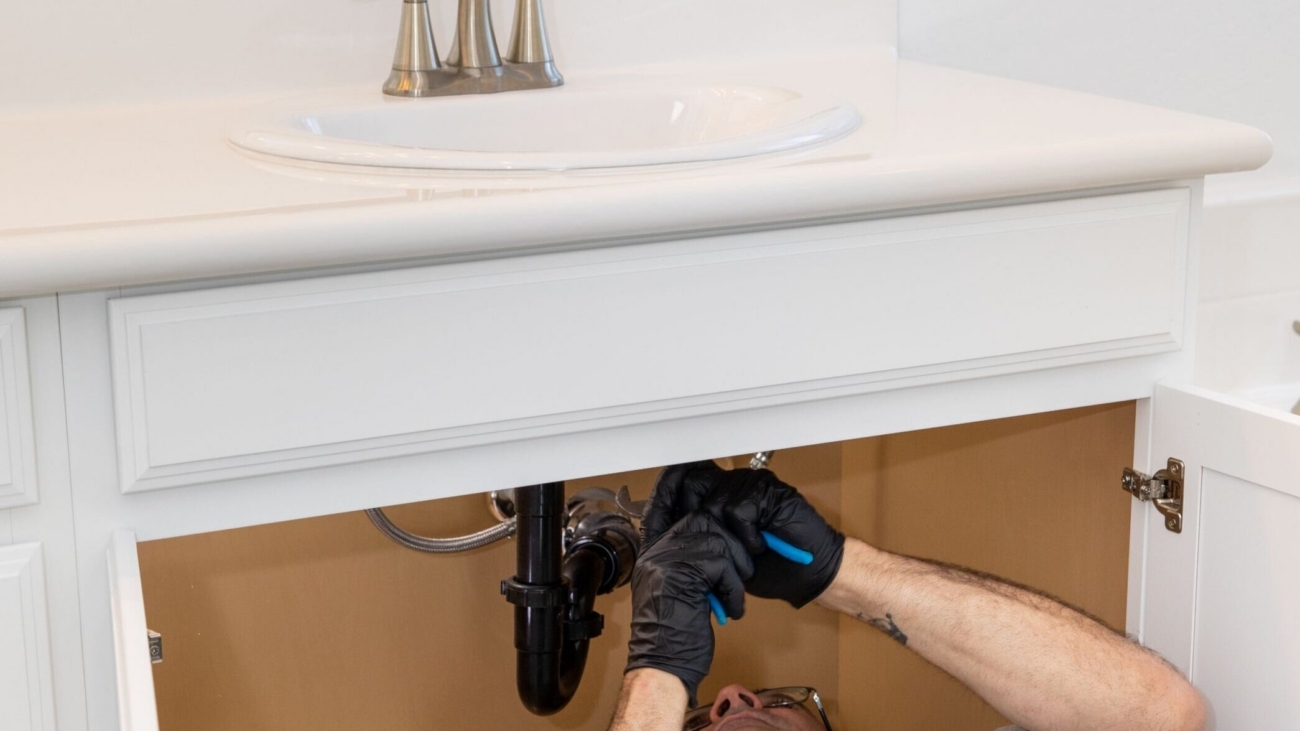
Choosing the right kind of faucet is a more important decision than most people realize. It goes beyond style since it can make a difference in utility, upkeep, and convenience.

Pull-down faucets and pull-out faucets have similarities, but there are plenty of differences between them, too.

Pull-down faucets: Pros and cons

Many homeowners prefer pull-down faucets because they allow for greater control. The variety of spouts and spraying patterns can prove useful when washing dishes. It’s an ergonomic solution that takes fewer movements to use. There’s a limited twisting of hose, which may extend its longevity. Installed in a deep kitchen sink, it’s one of the best choices anyone can make.

In terms of drawbacks, the design has a few. The taller spout might limit water pressure compared to a pull-out model. In particular, smaller sink areas can’t accommodate a pull-down design. Furthermore, a cheaper model might prove easier to break than a similar entry-level pull-out faucet.

Pull-out faucets: Pros and cons

The most significant advantage of a pull-out faucet is that it saves space. It has much a shorter spout and works best with small to medium-sized sinks where pull-down models aren’t as beneficial. It’s also a more flexible design, so it shouldn’t cause too much splashing. Using longer hoses is convenient again, as it can allow filling up pots further from the sink area.

There are a few drawbacks too. The handle grip may not offer the best feeling for users with large hands. Being able to wash consistently using both hands is an additional benefit. However, some might find it less efficient for rinsing.

Head-to-head comparison

Both pull-out and pull-down faucets offer hose extension options and a spray system. Each design caters to a specific kitchen configuration and sink size. In terms of popularity, pull-down kitchen faucets tend to win.

The added mobility, convenience, and favoritism towards having a deep kitchen sink make the most popular model the pull-down faucet. Keeping the sink area much cleaner is also an advantage.

On the other hand, the compactness of a pull-out faucet can be a great fit in a small apartment. It also provides more variety in finishes, which could make it a better stylistic choice in a modern kitchen.

Final words

Remember that it’s best to have a professional handle the installation for the superb operation of any faucet. A trained eye might also make a more informed suggestion about the best choice for the existing kitchen décor and space limitations.

Pull-down faucets are often more enjoyable to use and vastly more accurate. But unfortunately, they’re not always a good fit in every kitchen. The alternative won’t disappoint either, as it’s easy to get used to it after a while.

Royalty Plumbing offers high-quality residential plumbing services in the areas of Las Vegas, Henderson, North Las Vegas, and Summerlin.
Royalty-plumbing-garbage-disposal

Why Does My Garbage Disposal Need Frequent Resets?

A garbage disposal is a useful appliance designed to keep the kitchen pipes clean and free of clogs and debris. It effectively shreds leftover food and other kitchen waste into smaller pieces, allowing them to travel smoothly through the plumbing. 

It is unavoidable for a garbage disposal to run into trouble over time due to its constant use and abuse. In most instances, garbage disposals show symptoms when they fail to perform their job efficiently or are on their way to failure. A homeowner has to spot the indicators of an impending repair or replacement need and act on them before the situation exacerbates.

One such prominent indicator of a garbage disposal facing problems is the frequent need to press the reset button. 

Why does garbage disposal require resets?

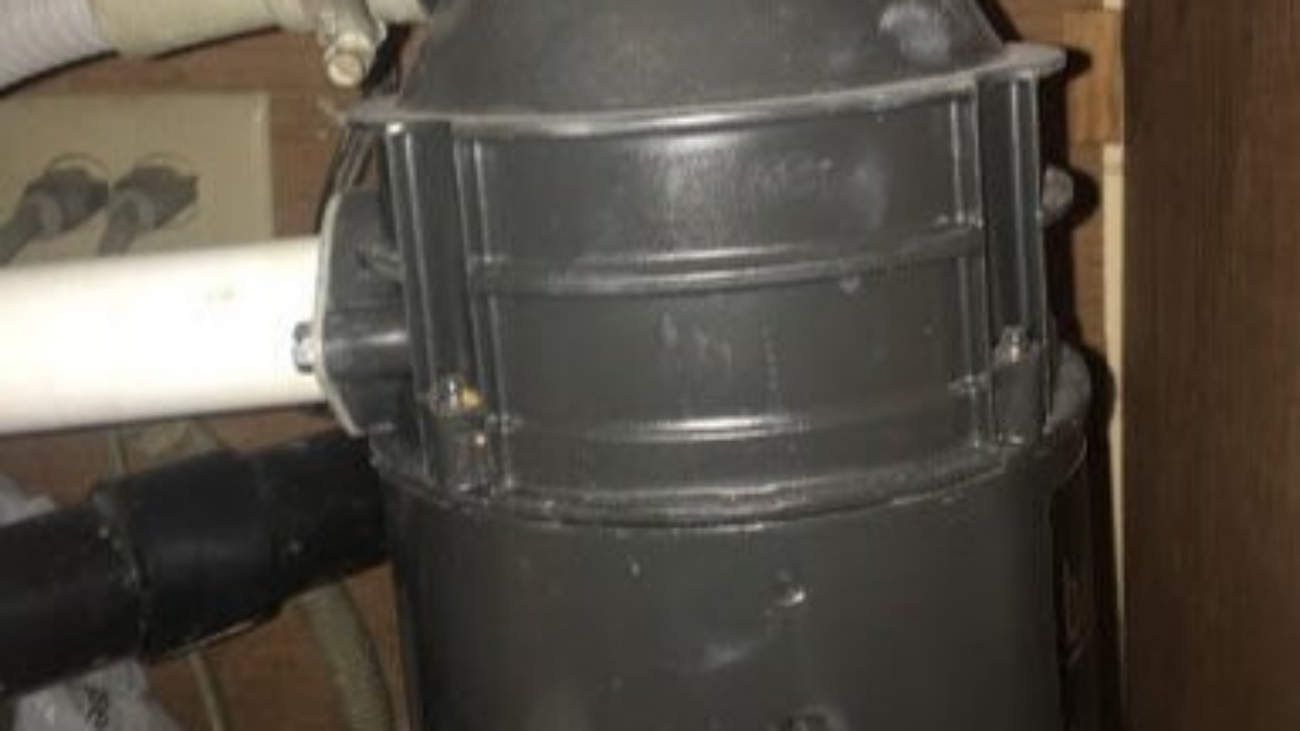
Most garbage disposals come with a reset button. It is a small red overload protector button positioned on the bottom of the unit. When the disposal clogs, overheats, or the motor overloads due to other issues, the disposal’s internal circuit breaker trips automatically to prevent it from burning out. Press the reset button, which pops out about a quarter of an inch, to restore the garbage disposal’s power.

However, it is crucial to note that the reset button on the garbage disposal is only for occasional use—once or twice in several months. If a homeowner has to press the reset button frequently, it indicates a severe problem. 

Reasons why garbage disposal may require frequent resets

There are two possible causes of using the reset button more often.

Loose wiring- If the garbage disposal is new and in good condition, either it wasn’t wired correctly during installation, or the wiring may have become loose. A plumber can help fix the issue quickly.

The unit is aging- If the reset button does not stay in after repeated attempts or requires resetting on every use, it shows that the motor is getting weak and needs replacement. Consider changing the garbage disposal if the unit is considerably old. A plumber can offer assistance to replace the worn-out garbage disposal with an advanced unit best suited to the homeowner’s needs.

Other symptoms of a faulty garbage disposal

Apart from frequent resets, some other common warning signs of a failing garbage disposal include:

  • The unit makes strange and unfamiliar noises 
  • Frequent inexplicable clogs
  • Water leakage due to internal cracks
  • Extended grinding time
  • Persistent foul odors
  • Unexplained power issues

Garbage disposals have a life expectancy of 10-15 years, depending on how well they are treated and maintained. Call a plumbing company for assessment if it requires frequent resets or shows other signs of damage. Their expert technicians are proficient at handling all garbage disposal repair or replacement needs. They can also recommend some useful tips for better garbage disposal care to improve its functionality and extend its lifespan. 

Royalty Plumbing offers high-quality residential plumbing services in the areas of Las Vegas, Henderson, North Las Vegas, and Summerlin.

royalty-plumbing-droplet

Why Hard Water is Bad for a Water Heater

Hard water can have adverse effects on the health of the home plumbing system. It contains minerals like calcium and magnesium that build up over time, leading to scaly deposits in pipes, fixtures, and appliances. Hard water is specifically damaging for the water heater. It impacts all types of water heaters and makes it difficult for them to work efficiently. 

Hard water’s effects on water heaters

In water heaters powered by electricity, the mineral build-up can reduce their effectiveness on the heating elements. For storage tank water heaters that use gas as a fuel, limescale acts as a barrier by forming a layer between the burners and the tank’s water. The build-up makes it difficult for the water heater to maintain the required water temperature.

Tankless water heaters are better when it comes to dealing with hard water. The build-up does happen but is relatively slow when compared to the conventional heaters. Over time, limescale causes the heat exchanger to overheat. 

Here is how hard water can further negatively affect the water heater’s function:

It decreases the water heater’s efficiency

Hard water makes it tough to keep the water warm for longer, and the heating process takes longer than usual. Also, hard water does not hold lather well, making it difficult to remove soap or shampoo. All this can lead to a spike in the water bills as well and energy bills.

The water heater will require frequent draining

Generally, it is advised to flush the water heater annually to get rid of sediments and other types of build-up. Hard water causes frequent limescale formation, so the heater needs to be drained more often than usual. It is not only inconvenient but also wastes water and money. The draining frequency will depend on the level of hardness in the water.

It reduces the heater’s lifespan

The greater the stress on the water heater, the higher the need to repair and maintain it. It also cuts the heater’s lifespan short by a few years.

The water heater produces strange noises

Hard water is mostly the reason behind the squealing or rumbling sound coming from the water heater. The mineral build-up inside the pipes also affects proper functioning.

Ways to protect the water heater from hard water

It is not impossible to minimize the effects hard water has on the water heater. Installing a water softener in the plumbing to treat the water removes all the minerals before it enters the heater. Regular flushing is another way to get rid of the build-up.

Hard water is a grave problem that can wreak havoc on the water heater. Consult a plumber if there is a hard water problem in the area, and they can offer expert advice on fixing the issue and protecting the water heater.

Royalty Plumbing offers high-quality residential plumbing services in the areas of Las Vegas, Henderson, North Las Vegas, and Summerlin.